
You want a reliable way to help your body fight off colds and viruses, but the list of 'immune-boosting' foods feels endless. This guide cuts through the noise to show you exactly which foods to add to your plate today, without needing fancy supplements or complex recipes.
In short: The best foods for immunity support are rich in vitamins C, D, and A, along with zinc and probiotics. Think colorful vegetables, fatty fish, and fermented dairy. The evidence that whole foods support immune function is strong, but no single food acts like a 'superpower' cure-all.
Quick picks
Our shortlist for this job · tap one to see today's price
Leakproof containers make it easy to pack high-nutrient veggies and protein for the week, ensuring you stick to your immune-friendly diet.

A convenient water bottle helps you maintain the fluid balance needed for proper nutrient absorption throughout the day.
Why whole foods are your strongest immune defense
Your immune system isn’t a single organ; it’s a network of cells, tissues, and proteins working together. To function well, that network needs a steady supply of nutrients.
When you eat a variety of whole foods, you provide the raw materials your body needs to produce the antibodies and white blood cells that fight infection. Loaders in this spot often ask about spicy foods and weight loss as well.
Many people think immunity is just about ‘not getting sick.’ In reality, it’s about how fast and effectively your body responds when it *does* face a pathogen. Under-nutrition slows that response down. Malnutrition can lead to a state where your immune system is too weak to recognize or fight off common viruses efficiently.
The good news is that you don’t need expensive powders. The most effective ‘immune support’ strategy is simply eating consistent, balanced meals. This approach aligns with general advice from major health organizations, which emphasize a diverse, plant-heavy diet over isolated nutrients.
Pro tip: Aim for 'rainbow' eating. Different colors in fruits and veggies often signal different types of antioxidants and vitamins, giving your body a wider range of support. If that sounds like your bench, read up on nutrition for immune system next.
The 7 key ingredients you should be eating
Not all foods contribute equally to immune health. The following seven items are considered the foundation of an immunity-friendly diet because they are packed with essential vitamins, minerals, and fiber. They are accessible, affordable, and easy to cook.
Pro tip: Storage matters: Keep fresh produce in the crisper drawer, but don't store root vegetables like potatoes in the fridge where it gets too cold.
Using meal prep containers allows you to portion out these specific ingredients for the week, making it easier to actually eat them.
- Made of premium thick plastic and strong construction, Dealusy meal prep containers
- These food prep containers come with tight sealed lids, you can easily stack them and
Your immune food cheat sheet: what to eat and why
Understanding the ‘why’ helps you remember what to buy. The table below breaks down the top ingredients, the key nutrient they provide, and how that nutrient helps your body. This is a quick reference you can keep in your kitchen. For the detail, see our notes on must-have foods for better health.
| Food | Key Nutrient | Why It Helps | Easy Way to Eat It |
|---|---|---|---|
| Citrus (Orange, Grapefruit) | Vitamin C | Stimulates production of white blood cells. | Slice for snacks, add to water. |
| Broccoli & Brussels Sprouts | Vitamin C, Vitamin A | Antioxidants protect immune cells from damage. | Roast with olive oil and salt. |
| Garlic & Onions | Ajoen, Quercetin | May help fight respiratory infections. | Sauté as a base for soups. |
| Yogurt & Kefir | Probiotics | Supports gut health, where much of immunity lives. | Breakfast bowl with berries. |
| Salmon & Tuna | Vitamin D, Omega-3 | Vitamin D is crucial for immune regulation. | Grill once or twice a week. |
| Eggs & Chicken | Protein, Zinc | Zinc is required for the development of immune cells. | Scramble with spinach. |
| Spinach & Kale | Vitamin A, Folate | Improves the response of the immune system. | Blend into smoothies. |
Note: For best results, try to eat a few of these items every day rather than focusing on one ‘superfood.’
Safety first: If you are taking blood thinners, consult a doctor before significantly increasing your intake of Vitamin K-rich leafy greens.
A day of eating, as a practical example
Does the list above feel overwhelming? It doesn’t have to be. Integrating immune-supportive foods is about layering, not replacing. Here is a simple example of how to fit these items into a standard day of eating without needing to cook exotic meals.
Starting the day with a bottle of water or herbal tea helps keep you hydrated, which supports the mucous membranes in your nose and throat.
- 24-ounce insulated stainless-steel water bottle with a FreeSip spout and push-button
- Patented FreeSip spout designed for either sipping upright through the built-in straw
Simple swaps that make a big difference
When you are busy, it is easy to reach for the same three or four foods. Making simple swaps can dramatically increase your nutrient variety. You do not need to change your entire diet overnight; just start with one or two of these substitutions.
- Swap refined sugar for fruit: Use chopped berries in your coffee or yogurt instead of adding table sugar.
- Swap white rice for a veggie mix: Mix 50/50 rice and frozen mixed vegetables for the same texture with double the nutrients.
- Swap processed snack bars: Carry a handful of nuts or a piece of fruit instead of a sealed, shelf-stable bar.
- Swap margarine for olive oil: Use a spoon of olive oil instead of butter or margarine on toast or in stir-frys.
These small changes accumulate. Over a week, they make a visible difference in the quality of your meals and the variety of antioxidants reaching your bloodstream.
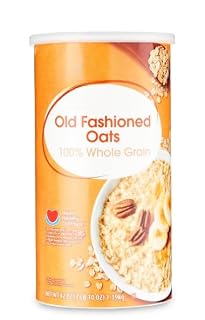
While not a 'product' per se, adding oats to your routine is one of the cheapest and easiest ways to add fiber, which supports gut bacteria.
- 100% Whole Grain Oats: Made from quality whole grain oats for a wholesome and
- Classic Old Fashioned Texture: Traditional rolled oats provide a chewy texture and rich
Who should be careful with these recommendations
General dietary advice is not one-size-fits-all. While eating a variety of fruits and vegetables is safe for most healthy adults, certain groups need to be more cautious. This is where knowledge of your own health history becomes important. Loaders in this spot often ask about balanced nutrition for vulnerable canine organs as well.
- People on blood thinners: Vitamin K (found in leafy greens) can interfere with the effectiveness of medications like warfarin. Consistency is key; you don’t need to avoid greens, but sudden massive changes in intake should be discussed with a doctor.
- Those with food allergies: If you have a nut, dairy, or seafood allergy, the ‘immune support’ list above must be personalized to avoid dangerous ingredients.
- Pregnant individuals: You should thoroughly cook seafood and avoid raw produce that is not washed and sanitized to prevent Listeria or Toxoplasma infection. Consult your OB-GYN for personalized advice.
Always prioritize the safety of your specific health profile over general trends.
When to talk to a doctor or dietitian
Eating well is the best thing you can do for your immune system, but food is not medicine. If your immune system is failing, it is not a ‘food problem’ that can be fixed by a handful of spinach.
You should consult a healthcare provider if you:
- Get sick frequently (more than two or three respiratory infections a year).
- Experience infections that are unusually severe or last longer than they should.
- Notch that eating ‘healthy’ foods is causing digestive distress, suggesting you may have an intolerance or undiagnosed condition.
- Have a history of autoimmune disease, which may require different dietary strategies than a healthy adult.
A registered dietitian can help you navigate your specific needs without using food as a ‘cure’ for a medical condition.
The bottom line
To support your immune system, focus on consistency rather than perfection. Start by adding two or three items from the '7 key ingredients' list to your daily routine, using meal prep containers to make it easy. If you are healthy, this food-first approach is your best line of defense.
- Made of premium thick plastic and strong construction, Dealusy meal prep containers
- These food prep containers come with tight sealed lids, you can easily stack them and
Frequently asked questions
Do I need to take vitamin supplements for immunity?
For most healthy people who eat a balanced diet, the answer is no. Whole foods contain a complex mix of nutrients that work together in ways isolated pills cannot replicate. Supplements are generally better for people who have a diagnosed deficiency or specific medical needs, so talk to your doctor before starting them.
Can food actually 'cure' a cold once I have it?
No. There is no evidence that specific foods will cure a viral infection once you have it. However, eating nutrient-dense foods while you are sick helps your body get the energy and vitamins it needs to fight the virus and recover faster. It is about support, not a cure. For the detail, see our notes on how immunity handles food issues.
Is protein necessary for a strong immune system?
Yes. Immune cells are made of protein. If you are not eating enough protein in your meals, your body has to take what it needs from your muscles to build those cells. You do not need high-protein shakes; a palm-sized portion of meat, fish, eggs, or beans at each meal is usually enough.
What is the most important food for immunity?
There is no single ‘most important’ food. The ‘most important’ habit is eating a wide variety of plants every day. Colorful vegetables and fruits provide the widest range of antioxidants and vitamins, which is why a diverse plate is far better than relying on just one item like garlic or ginger.