
You are feeling restless and want to move, but your blood glucose reading looks higher than usual. This guide tells you exactly when it is safe to exercise, how to adjust your activity, and which signs mean you should stop immediately.
In short: For most people, a quick check before exercise tells you if you can proceed. If blood sugar is at a very high level, the American Diabetes Association generally advises resting until levels drop to a safe range. The strength of evidence for these limits is strong and widely accepted by medical societies. For the detail, see our notes on health impacts of consuming sweets daily.
Our pick
Tap to see today's price on Amazon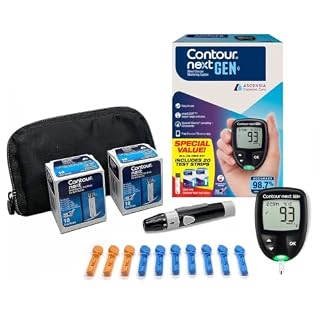
The most critical tool is a meter to confirm your level before starting any physical activity.
Before you start: The safety check
Never guess your glucose level. You must know your starting number before you move. This single habit prevents the most common exercise-related emergencies for people with high blood sugar. Before you buy anything, it is worth looking at physical activity impact on sugar.
Most doctors advise checking your blood sugar right before you plan to start a workout. This is not optional; it is the foundation of a safe routine. If you are using insulin or certain blood sugar-lowering medications, the rules are stricter.
If you are in doubt, the safe choice is always to wait until you have a clear reading. Exercise with high blood sugar is a specific risk that requires data, not intuition. Do not rely on how you feel.
- Check the number: Use your meter or CGM app to get the current value.
- Check the trend: Is the arrow on your monitor pointing up, down, or staying steady?
- Check the last meal: Did you just finish a high-carb dinner? That context matters.
If you do not have a meter, do not exercise. The risk of an unknown high reading outweighs the benefits of the movement.
Safety first: If you cannot test your blood sugar, do not exercise at all.

Tracking trends over time helps you see if your baseline is drifting high before you start.
- TRACKSTAR GLUCOSE MONITORING KIT—Kit includes everything you need to start monitoring
- USE INTUITIVE DESIGN—Trackstar Blood Glucose Monitor delivers results in about
How high is too high to exercise?
For people using insulin, a reading above 300 mg/dL is the general warning line. You should hold off until the number is lower. For those not on insulin, a level over 250 mg/dL is a strong reason to skip your workout.
The risk of your blood sugar rising further is high in this range. High glucose is associated with high ketones, which are acidic waste products that can build up in your body. Exercise can actually make this condition worse instead of better. For the detail, see our notes on exercise to reduce blood sugar level.
It is also vital to check for ketones. If you have diabetes and are high, you must test for them. If ketones are present, exercise is contraindicated. This is a critical safety step that many beginners miss.
| Blood Sugar Range | Recommended Action |
|---|---|
| Below 100 mg/dL | Eat a snack before moving |
| 100-250 mg/dL | Exercise with caution |
| 250-300 mg/dL | Consult your doctor, be careful |
| Above 300 mg/dL | Do not exercise, check ketones |
These are general guidelines. Your doctor will define your specific “safe” range based on your history and medications.
Pro tip: Write down your specific 'stop' number from your care team to remove the guesswork.
How to choose the right movement
When your glucose is in a stable range, aerobic exercise like brisk walking is very effective. It pulls sugar from your bloodstream to use for energy. This is the most reliable type of movement for blood sugar control.
A moderate walk for 20 to 30 minutes is a safe and powerful way to lower your numbers naturally. Avoid sprinting or high-intensity interval training if you are already on the higher end of your normal range. Keep the pace steady.
Strength training is also excellent, as muscle tissue uses glucose for years to come. However, with high blood sugar, start with light resistance. Heavy lifting can cause a spike if you are dehydrated. A simple walk is the safest bet. We cover best physical activities to lower blood sugar in a guide of its own.
Hydration is a non-negotiable part of this step. High blood sugar pulls water from your tissues, so you are more prone to dehydration. Dehydration makes high blood sugar even harder for your body to manage.
Pro tip: Sip water every 15 minutes. Do not wait until you feel thirsty.

Carrying a large water bottle prevents the dehydration that can worsen high glucose readings.
- The Owala FreeSip 24 oz waterbottle spout lets you sip upright through the built-in
- 100% LEAKPROOF WHEN LOCKED: The convenient carry loop doubles as a lock to help prevent
How to adjust your routine safely
If your blood sugar is a little high but not in the danger zone, you must change your plan. Do not do a high-intensity workout. Instead, lower the pace of your exercise and keep the session shorter.
If you are walking, move to a very slow, steady pace instead of a brisk one. This reduces the stress hormones that can cause a temporary spike. You want your body to be in a low-stress state.
Check your blood sugar 30 to 60 minutes after you finish. Exercise has a delayed effect, and your sugar can drop hours later. This is called the “afterglow” effect. You must be prepared for a late drop.
If it has dropped too low, you will need to eat a small snack to protect yourself. Use a scale to measure exactly 15 grams of carbohydrates. This is a precise and safe way to correct a drop without overshooting. Loaders in this spot often ask about how to prevent morning sugar spikes as well.
Warning signs that need you to stop
Your body will often tell you if something is wrong during a workout. You must listen to these signals immediately. Do not push through pain or confusion. Stop and get help.
- Confusion or difficulty staying awake: This can be a sign of severe metabolic distress.
- Extreme thirst or dry mouth: A strong indicator of high glucose and dehydration.
- Feeling dizzy or lightheaded: Your blood pressure or sugar may be shifting.
- Blurred vision: High blood sugar can cause fluid to shift in your eyes.
If you notice any of these, sit down and drink water. Check your blood sugar as soon as you safely can. If the reading is still high and you feel unwell, call your healthcare provider.
When to see a doctor
Consult your healthcare provider if you have questions about your specific limits. They can adjust your care plan to fit your body and your activity level. General information on this page is not a substitute for their personalized advice.
You need urgent medical attention if your blood sugar stays above 300 mg/dL for more than a few hours. Or if you have any ketones in your urine. This can lead to a serious condition called ketoacidosis, which is a medical emergency.
Seek immediate help if you experience chest pain, severe shortness of breath, or signs of a stroke such as one-sided weakness. These are signs of a heart issue or stroke, not just a blood sugar problem. Know the difference.
A clear safety summary
| Action | Why |
|---|---|
| Test before moving | Prevents exercising in a dangerous range |
| Check for ketones | Exercise with high ketones is unsafe |
| Stay very hydrated | High glucose pulls water from your tissues |
| Keep it moderate | High intensity can cause a spike |
This summary is your quick checklist for every time you want to move. If you can tick every box, you are ready to exercise. If not, rest first. Before you buy anything, it is worth looking at manage blood sugar spikes.
The bottom line
The bottom line is that safety comes before the workout. Check your blood sugar, follow your doctor's specific limits, and keep your sessions moderate. The single most important tool you can own is a reliable blood glucose meter to make that pre-exercise check.
Frequently asked questions
Can exercise ever make high blood sugar worse?
Yes, it can. During intense activity, your body releases stress hormones that can cause your blood sugar to rise instead of fall. This is why a moderate pace is much safer than high-intensity movement when you are already high.
How long should I wait to exercise after a high reading?
Wait until your blood sugar returns to a safe range as defined by your doctor. For most people, that means waiting until it is below 250 or 300 mg/dL, depending on your medication. Do not rush this process.
Does a hot shower or sex affect blood sugar?
Neither will significantly raise your blood sugar. Physical exertion from sex is generally light enough to be safe, but you should still monitor your levels if you have concerns about any physical activity. Stay hydrated.
Should I eat before a workout if my sugar is high?
Generally, you need food for low blood sugar, not high. Always check your specific medical plan before eating if your numbers are already in a high range. Eating more sugar will make the problem worse.