
You want your hair to look longer or healthier in just two weeks, maybe for an upcoming event or a personal goal. This page tells you exactly what is scientifically possible in that short window and how to maximize your results without damaging your hair.
In short: You cannot grow a full inch or a foot of new hair in two weeks because hair grows about half an inch per month. However, you can reduce breakage, improve scalp health, and make your existing hair look fuller and more manageable. This makes it appear as if it is growing faster than it actually is.
Quick picks
Our shortlist for this job · tap one to see today's price
Gently cleans and stimulates the scalp to remove buildup and improve circulation.
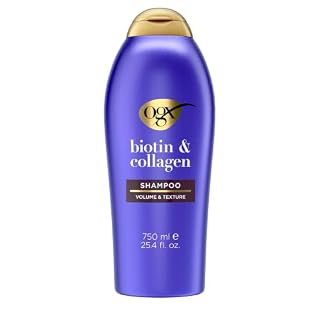
Biotin and collagen formula helps strengthen the hair shaft to reduce mid-length breakage.
The hard truth: what is actually possible in two weeks
Hair grows at an average rate of half an inch per month. This means that in two weeks, your hair is growing roughly 1/4 inch at the root. Nothing you do will make the new growth appear on the surface in just 14 days. We cover hair loss grow back in a guide of its own.
So why do people think hair grows faster? They are usually seeing the end of the hair retain its length. When hair is healthy, it breaks less. If you lose one inch to breakage every month, you never see new length. If you stop that breakage, you keep the 1/4 inch that is growing. The other half of this decision is steps to halt loss.
- New growth: Approximately 1/4 inch at the scalp.
- Visible change: Hair feels softer and has more volume.
- Illusion of length: Reducing frizz and breakage makes the hair look healthier and ‘fuller’.
How the hair growth cycle limits your timeline
Every hair follicle moves through a cycle: growth (anagen), rest (catagen), and shedding (telogen). Most of your hair is in the growth phase, but the rate is set by your genetics and hormones, not by shampoo.
In a two-week window, you are not changing the cycle. You are protecting the hair that is already there. Stress and poor diet can push follicles into the shedding phase early, but fixing that takes months to show on the mirror.
The goal for a short-term goal is protection, not transformation. You are preventing damage so the 1/4 inch of new growth can stay attached to the ends of your hair. Think of it like a garden: you cannot make a flower bloom in 14 days, but you can stop weeds from pulling it out.
Protecting your ends: the fastest way to 'grow' faster
Breakage is the enemy of length. If your hair breaks at the shoulder, you will never see it grow past the shoulder, no matter how fast the roots grow. During a two-week sprint, your job is to act as a guardian of your hair ends.
For the next two weeks, minimize mechanical stress. Use a soft-bristle brush or a wide-tooth comb. Start at the ends and work your way up to the roots. This prevents pulling out the hair. If your hair is tangled, use a detangler spray first. There is more on average hairs lost in a separate guide.
Also, change your sleeping routine. Cotton pillowcases create friction that causes frizz and breakage. A smooth, low-friction surface keeps the hair cuticle smooth and intact while you sleep. Wrap your hair in a silk scarf if you go out to keep it from tangling in the wind.
Pro tip: Put your hair in a loose, low ponytail before bed. A tight hair tie can cause 'traction alopecia' at the hairline, leading to thinning that takes months to recover.

The smooth fabric reduces friction and frizz while you sleep, helping your hair retain its length.
- ✨【Mulberry Silk】Gabire Silk Pillow Cases are made of Mulberry Silk on both sides, which
- 🌛【Silk for Hair and Skin】Silk absorbs far less facial creams and hair conditioners than
Scalp care: stimulating the root without pain
Your scalp needs clean, healthy follicles to support new growth. Buildup from oil, sweat, and product can clog follicles, which can lead to temporary shedding. A clean scalp is the foundation of healthy hair.
A gentle scalp massage increases blood flow to the hair follicles. While the evidence for ‘faster’ growth is mixed, it is a healthy habit that improves circulation and removes excess sebum. You can do this while you shower or apply shampoo.
Use your fingertips, not nails. Press and circle gently on the scalp for 5 minutes a day. This removes buildup without scratching or irritating the skin. If your scalp feels tight or itchy, that is a sign you are being too rough. Slow down and use a gentler touch.
The soft bristles help distribute shampoo or oil evenly and gently exfoliate the scalp.
- Hair Growth & Relaxation: This scalp massager refreshes the scalp for stronger and
- Deep Cleansing & Oil Control: This scalp scrubber features soft, flexible silicone
Stronger strands: ingredients that support hair health
While you cannot force growth, you can make the existing hair stronger so it does not snap. Look for shampoos that include proteins and essential nutrients. These help repair the hair shaft from the inside out. The other half of this decision is boosting hair growth rate.
Biotin and collagen are popular ingredients. While they don’t make hair grow faster, they help protect the hair’s natural lipid and protein balance. This means less dryness and less breakage. Your hair will hold up better to styling without frizzing out.
Check the ingredient list on your shampoo. If you have fine hair, avoid heavy, silicone-heavy products that can weigh it down and make it look shorter. You want a lightweight formula that cleanses without stripping the hair of its natural moisture.
Common myths about fast hair growth
Myth: Cutting the ends off makes hair grow faster.
Fact: Trimming removes split ends, which prevents the splits from traveling up the shaft. It doesn’t change the speed of growth at the root, but it does protect the length you have. If your ends look ragged, a small trim can make a big difference in how your hair looks and feels.
Myth: Heat styling tools don’t affect growth.
Fact: Heat damages the cuticle, making the hair brittle. Brittle hair breaks off. In two weeks, skipping the flat iron or blow dryer can prevent the kind of breakage that ruins your length. Let your hair air-dry for a few days to give it a break.
When to see a doctor
Most hair concerns are just slow growth or breakage. But if you notice a sudden change, it might be more than just a cosmetic issue. Some causes of hair loss need medical treatment that a shampoo cannot provide.
Make an appointment with a dermatologist if:
- You are seeing large, round patches of hair fall out.
- Your scalp feels itchy, painful, or has scaling that doesn’t go away with shampoo.
- You notice thinning at the part that is much faster than normal.
A doctor can check for thyroid issues, vitamin deficiencies, or early hair loss patterns that need specific medical treatment. Don’t ignore sudden changes in your hair. There is more on encourages fuller head of hair in a separate guide.
The bottom line
You won't grow a foot of hair in two weeks, but you can stop losing length to breakage. The most practical step is to protect your ends and keep your scalp clean and stimulated. Start by changing your pillowcase and being gentler with your hair.
- ✨【Mulberry Silk】Gabire Silk Pillow Cases are made of Mulberry Silk on both sides, which
- 🌛【Silk for Hair and Skin】Silk absorbs far less facial creams and hair conditioners than
Frequently asked questions
Will hair tonic or essential oils make hair grow in 2 weeks?
There is no scientific proof that oils or tonics accelerate the growth cycle of human hair. These ingredients can help keep the scalp healthy and the hair moisturized, which prevents breakage, but they won’t make the new 1/4 inch of growth appear sooner. They are best used as a complement to good hygiene, not as a magic fix.
How do I make my hair look longer in two weeks?
You can use styling techniques to create the illusion of length. Smoothing frizz, adding volume at the root, and protecting the ends will make your hair look healthier and more ‘full.’ This makes the hair you have look its best. A good blowout or a deep conditioning treatment can make a noticeable difference in the look of your hair.
Should I stop washing my hair to let it grow?
No. A buildup of oil and product can clog the hair follicles. You should wash your hair as often as your scalp requires to keep it clean and healthy. Dirty hair is more likely to break or feel weighed down. Consistency is better than frequency, so wash it when it feels dirty or oily.