
You are typing this search because you keep seeing the term 'personal fitness' in articles or on forms, but the definition feels vague. This page gives you the precise meaning, the core components, and how to apply it to your own routine.
In short: Personal fitness is your individual ability to perform everyday tasks with vigor and alertness, without undue fatigue, and with sufficient reserve energy to enjoy leisure hours and meet emergencies. It is a broader, more personal concept than just 'being fit' or having a specific physique. It measures how well your body functions for your specific life, not just how it looks.
Quick picks
Our shortlist for this job · tap one to see today's price
Tracks heart rate and sleep to help you define your current baseline without a screen.
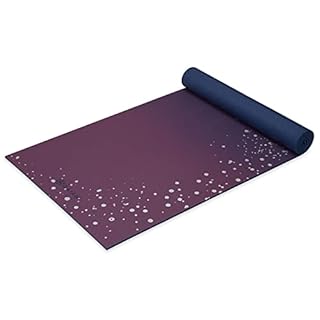
Provides cushioning and grip for the mobility work that supports overall personal fitness.
What personal fitness means in plain words
Personal fitness is the intersection of your physical capabilities and your daily life. It is not a single number on a scale or a specific body type. We cover defining personal fitness in a guide of its own.
Instead, it is the total sum of how your heart, lungs, muscles, and joints work together to support your specific goals.
Think of it as your personal capacity for living.
A professional athlete’s personal fitness looks different from a nurse’s, which looks different from a stay-at-home parent’s. The definition shifts based on what you actually do every day.
- Functional: Can you carry groceries, lift a child, or get up from the floor?
- Cardiovascular: Can you climb stairs without feeling breathless?
- Recovery: Do you sleep well and wake up ready for the day?
This definition is strong and widely accepted in public health circles. It moves the focus away from aesthetics and toward utility.

- Conveniently Portable: Our fitness workout journal measures 8.5" x 6.7", which is a
- Streamlined and Practical: Each workout journal includes 1 page of personal
The five components that define the term
Health professionals break personal fitness down into five specific pillars. Understanding these helps you see where your strengths and gaps are.
| Component | What it means | Simple test |
|---|---|---|
| Cardiovascular | Heart and lung efficiency | Walking speed / stairs |
| Strength | Muscle power | Carrying a heavy bag |
| Flexibility | Range of motion | Touching your toes |
| Endurance | Sustained effort | Hiking or cycling |
| Body Composition | Ratio of fat to muscle | Waist-to-hip ratio |
Most people neglect flexibility and body composition. These two components directly impact how safe and sustainable your workouts are.
If you can lift heavy things but cannot bend your knees comfortably, your personal fitness is unbalanced. The definition requires a balance between all five areas. Loaders in this spot often ask about what fitness means to you as well.
Pro tip: Focus on two components a week. Trying to improve all five at once leads to burnout and injury.
How personal fitness differs from general health
People often use ‘health’ and ‘fitness’ as synonyms, but they have different definitions in medical and sports science contexts. General health includes your diet, sleep, stress, and medical history. Personal fitness is specifically about your physical performance.
You can be ‘healthy’ (low risk of disease) but ‘unfit’ (low physical performance). Conversely, you can be ‘fit’ but have poor health due to bad habits. True well-being requires both.
- Health: Internal status (e.g., low blood pressure, good cholesterol).
- Fitness: External performance (e.g., run a 5k, lift 100 lbs).
When you define your personal fitness, you are setting performance goals. When you manage your health, you are managing risk.
When the definition matters in real life
The meaning of personal fitness becomes critical when you start a new routine or recover from an injury. It shifts from an abstract idea to a practical tool.
Scenario 1: The Desk Worker. Your personal fitness might mean being able to type for hours without neck pain and having the stamina to carry your kids after work. It is functional, not aesthetic. It helps to understand fitness and career success before going further.
Scenario 2: The Senior Citizen. For someone over 65, the definition shifts to fall prevention and joint mobility. ‘Fit’ means you can live independently in your own home.
Scenario 3: The New Parent. Here, personal fitness is defined by recovery and energy. It is about how quickly you bounce back from sleep deprivation and physical strain.
Use these real situations to adjust your definition. Do not copy a generic online standard; adjust it to your life.
Safety first: If you feel chest pain, dizziness, or severe shortness of breath, stop immediately and see a doctor. Do not push through these symptoms.
Common myths about what personal fitness means
Many people hold onto outdated or incorrect meanings of fitness. Clearing these myths helps you set realistic goals.
Myth: Personal fitness is about looking good.
Fact: It is about how well your body works. You can be very strong and healthy at a higher body weight. It helps to understand free mental health kits before going further.
Myth: You must exercise to be fit.
Fact: NEAT (Non-Exercise Activity Thermogenesis) counts. Walking to the store and gardening contribute to your personal fitness definition.
Myth: One test defines you.
Fact: A single fitness test only measures one component (like cardio). Your full personal fitness profile includes strength, flexibility, and endurance.
How to define your personal fitness baseline
To move from definition to action, you need a baseline. This is the starting point for your personal fitness journey.
- Check your resting heart rate. Lower is generally better for cardiovascular fitness.
- Do a simple movement screen. Can you touch your toes? Can you squat without losing balance?
- Track your daily movement. Use a phone or a simple log to see how much you actually move.
- Assess your sleep quality. Poor sleep limits your physical recovery and performance.
A baseline removes guesswork. You know exactly what you have to improve.
Keep this process simple. You do not need a lab to start. You just need honesty about your current capabilities.
When to see a doctor
While general fitness is a personal goal, certain symptoms require professional care. Do not attempt to ‘train through’ these signs.
- Chest pain or pressure. This is a medical emergency. Call for help immediately.
- Unexplained weight loss or gain. This may signal a metabolic or hormonal issue.
- Persistent joint pain. If pain limits your daily movement, see a specialist.
- Fainting during exercise. This indicates your cardiovascular system is under stress.
Consult your primary care provider before starting a new intense routine. They can help define safe limits for your specific health status.
The bottom line
Personal fitness is not a fixed aesthetic standard; it is your personal capacity for daily life. Start by defining your baseline using the five components, then track one metric at a time. A screenless fitness tracker is the best next step for most people to see the data behind their progress.
- 【24/7 Wellness Tracking & Free App — No Subscription】This screenless fitness tracker
- 【Sleep Tracking, AI Wellness Insights & Daily Energy】Track light, deep and REM sleep to
Frequently asked questions
What does personal fitness mean to you?
This is a subjective question often found in health surveys. It asks you to define fitness by your own goals, not by a textbook. For most people, it means having enough energy to do what they love without being tired.
Is personal fitness an interest or a skill?
It is a skill you develop, not just an interest. While you might be interested in health, personal fitness is the actual physical ability to perform tasks. It is measured by output, not by intent.
What is the difference between personal fitness and public health?
Public health is a societal effort to improve health for large groups (like vaccination campaigns). Personal fitness is an individual effort to improve physical performance and well-being. They are related but operate on different scales.
How do I explain personal fitness to a child?
Explain it as the body’s ‘engine.’ Just like a car needs gas and oil changes to run smoothly, your body needs movement, food, and rest to do its job well. Fitness is keeping the engine running strong.