
You want to support your heart health with movement, but you worry that pushing too hard might spike your blood pressure. This page gives you a low-impact stretching routine that is safe for most people managing hypertension.
In short: Gentle, static stretching can help improve circulation and reduce stress, which may support healthy blood pressure levels. This routine suits adults with stable high blood pressure who have cleared exercise with their doctor. You should perform these stretches two to three times per week for ten to fifteen minutes, avoiding any pose that requires you to hold your breath or invert your head.
Quick picks
Our shortlist for this job · tap one to see today's price
Gives you a stable, non-slip surface to prevent falls during floor exercises.
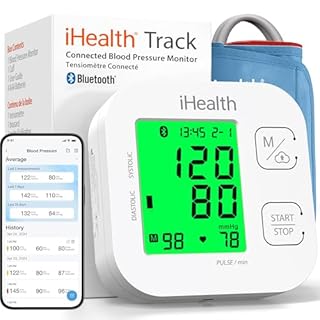
Lets you see if your resting pressure is actually improving over time.
Before you start: clear the path with your doctor
Never begin a new exercise regimen for high blood pressure without talking to your healthcare provider. If your blood pressure is currently uncontrolled or above 180/120, see a doctor before moving. There is more on walking 10 minutes after meals in a separate guide.
Stretching is generally low risk, but certain conditions require modifications. For example, if you have severe osteoporosis, avoid deep forward bends. If you have glaucoma, avoid positions where your head is below your heart.
- Check your meds: Some beta-blockers affect how hard your heart works; monitor your heart rate.
- Watch for dizziness: If you stand up too fast, you may faint; move slowly.
- Hydration matters: Dehydration can make blood pressure spikes worse. Drink water before you start.
Understanding the evidence helps you set realistic expectations. While intense exercise is the gold standard for lowering blood pressure, gentle stretching aids circulation and reduces sympathetic nervous system activity. Think of it as a stress management tool that happens to be good for your muscles.
Stop immediately if you feel: Chest pain, severe shortness of breath, or confusion.
Use this to check your resting baseline before and after your workout to ensure safety.
- Clinically Accurate: Easy Operation by two buttons, Advanced Accuracy, No Calibration
- Large Multi-Color Backlit Display: The large, oversized numbers make reading the
Warm-up: five minutes of gentle movement
Your muscles need blood flow before you stretch. Do not stretch cold muscles, as this can lead to injury or a sudden drop in blood pressure. A proper warm-up prepares your cardiovascular system for the slow, deep breathing that follows.
Spend five minutes walking slowly around your room or doing gentle arm circles. This raises your heart rate slightly without the strain of high-intensity cardio. The goal is to bring your core temperature up just enough to feel loose, not sweaty.
- Walk in place for one minute, keeping your steps small.
- Do 10 gentle arm circles forward and backward, letting your hands flop.
- Roll your shoulders down and back to open your chest.
- Do 5 gentle head nods, saying ‘yes’ and ‘no’.
Keep your breathing natural. If you feel lightheaded, stop and sit down immediately. Do not push through dizziness, as this is a sign your blood pressure is dropping too fast. Before you buy anything, it is worth looking at fast ways to drop glucose.
The core routine: four safe stretches
Use a non-slip mat for these floor exercises to keep your balance. A stable surface is critical when you have blood pressure issues, as dizziness can lead to falls. The right mat prevents your hands and feet from slipping when you shift your weight.
- Product: A high-quality non-slip yoga mat is the only tool you really need.
- Form cue: Never hold your breath. Exhale as you deepen the stretch.
- Pacing: Move slowly. Rushing increases stress and can spike your pressure.
These four stretches focus on the areas where we hold the most tension: the neck, shoulders, lower back, and hips. By releasing these areas, you signal to your body that it is safe to relax.
Tip: Stretch for 20-30 seconds. Never bounce. Hold the position until you feel mild tension, then release.
Provides a stable, cushioned base so you do not slip or fall during floor poses.
- The upgraded Gruper Yoga mat is made with premium friendly material. It costs more to
- SKID DESIGN AND DOUBLE LAYER ANTI TEAR: Special sticky non slip texture on both sides
Lower body: the gentle hip and leg work
- Seated Forward Fold: Sit with legs straight. Hinge at your hips to reach toward your toes. Keep your back straight. Hold for 30 seconds.
- Supine Hamstring Stretch: Lie on your back. Use a belt or band to hold the heel of one foot. Keep knees slightly bent. Hold for 30 seconds.
- Child’s Pose: Kneel, sit back on your heels, and reach your arms forward. Rest your forehead on the mat. Hold for 1 minute.
These stretches help calm the nervous system in the legs, which can support lower blood pressure. The Child’s Pose is particularly useful for releasing tension in the lower back and calming the mind.
If you cannot reach your toes, use a towel or a light resistance band looped around your foot. This allows you to get the benefit of the stretch without straining your lower back.
Upper body: releasing neck and shoulders
Tension in the neck and shoulders is common with stress-induced blood pressure spikes. Releasing this area can lower your perceived stress levels. Tight shoulders can also restrict deep breathing, which keeps your body in a state of stress. There is more on immunity booster exercise routines in a separate guide.
- Neck Release: Sit tall. Drop your right ear toward your right shoulder. Do not pull with your hand. Hold 20 seconds.
- Seated Cat-Cow: Hands on knees. Arch your back up on inhale, round it down on exhale. Repeat 5 times.
- Arm Cross: Bring one arm across your chest. Use the other hand to gently pull the elbow toward you. Hold 20 seconds.
Move only through a comfortable range of motion. If you have a neck injury or arthritis, skip the neck release and focus on the arm and shoulder stretches instead.
How to progress safely over time
Start with this routine two or three times a week. After two weeks, you can increase the duration of each stretch by five seconds. Do not increase the number of stretches all at once.
Do not add intensity to your blood pressure routine in the way you would a weightlifting program. Progression comes from consistency, not from pushing into pain. The goal is to improve flexibility and reduce stress over months, not days.
Track your progress in a simple log. Note how you felt before and after the session. You might write down your stress level on a scale of 1 to 10. Over time, you should see your baseline stress level drop.
If you feel that the routine is too easy, you can add the Supine Hamstring Stretch or the Arm Cross to your session. But always prioritize the quality of the stretch over the quantity.
Pro tip: Keep your spine neutral. If you round your back excessively, you may put unnecessary strain on your neck. We go through daily posture tips sheet step by step in its own article.
When to stop and see a professional
Stretching supports heart health, but it is not a replacement for medication or emergency care. If your blood pressure is consistently high despite home monitoring, you need a medical evaluation. Do not adjust your medication without talking to your doctor.
Stop stretching and call for help if you experience chest tightness, one-sided weakness, or sudden confusion. These are signs of a stroke or heart event, not just a workout side effect. Treat them as emergencies.
Doctor visit warning signs:
- Blood pressure reading over 180/120.
- Headaches that wake you from sleep.
- Blurred or double vision.
- Shortness of breath at rest.
Bring your home blood pressure log to your next appointment. This data helps your doctor fine-tune your treatment plan. It shows the real world impact of your lifestyle choices.
The bottom line
For most people, starting with the mat-based routine three times a week is the safest entry point. Get a non-slip mat and a home blood pressure monitor to track your results honestly. If you feel dizzy, stop and call your doctor.
- The upgraded Gruper Yoga mat is made with premium friendly material. It costs more to
- SKID DESIGN AND DOUBLE LAYER ANTI TEAR: Special sticky non slip texture on both sides
Frequently asked questions
Can stretching lower blood pressure immediately?
Stretching can cause a temporary, mild drop in blood pressure as your nervous system relaxes. It is not a treatment for high blood pressure on its own, but it helps manage the stress component that raises pressure. The effect lasts only as long as you remain relaxed.
Is it safe to stretch if I am taking blood pressure medication?
Usually, yes. However, some medications can make you more prone to dizziness when you stand up or change position. Move slowly between stretches and always have a chair nearby to sit if you feel lightheaded. Never take more medication than prescribed. There is more on easy changes for a healthier lifestyle in a separate guide.
How often should I do this routine?
Two to three times per week is enough to see benefits for flexibility and stress reduction. Consistency is more important than duration. Ten to fifteen minutes is a sufficient session length. Do it at the same time each day to build a habit.
Can I do this routine if I have high blood pressure and heart disease?
Only if your cardiologist has cleared you for light exercise. If you have been in a cardiac event recently, your doctor will likely prescribe specific heart-healthy movements instead of general stretching. Always follow their specific instructions.