
You’re looking for a body oil that actually absorbs without feeling sticky, but the shelf is full of confusing labels. This guide cuts through the noise to give you 5 specific picks based on your skin type.
In short: For most people, jojoba oil is the best all-rounder because it mimics your skin's natural oils and absorbs fast. If you have very dry skin, thicker options like coconut or almond oil are better. If you are oily or acne-prone, stick to lightweight oils like grapeseed or squalane.
Quick picks
Our shortlist for this job · tap one to see today's price
Mimics natural skin oil, absorbs fast, and suits both dry and oily skin.

Rich in vitamin E and fatty acids for soft, comfortable moisture.

High in antioxidants and squalane to support skin elasticity.
Thick and occlusive, creating a strong barrier to lock in moisture.

Pure vitamin E oil helps skin look softer and more nourished.
Best for most skin types: Cliganic Organic Jojoba Oil
Jojoba oil is often the first recommendation from dermatologists because its chemical structure is closest to human sebum. This means it helps balance oil production rather than just sitting on the surface. It feels lightweight and absorbs quickly, making it suitable for both dry and oily skin types. There is more on santa maria novella body oil in a separate guide.
Who it suits: People who want an all-purpose oil that won’t feel greasy or clog pores.
One honest drawback: It has a very mild scent, so if you love the smell of your body oil, you may find it boring.
Who should skip it: Those who prefer a heavy, rich texture for very dry areas may find it too light on its own.
Product P2 is the best choice here because it is a pure, cold-pressed jojoba oil with no added fragrances or fillers, ensuring you get the full benefit of the carrier oil.
Provides a pure, single-ingredient jojoba base that works for nearly everyone.
- Packaging May Vary - New look, same great product.
- Certified Organic Jojoba Oil - Cliganic organic jojoba oil is proudly USDA organic
Best for dry, normal skin: NOW Solutions Almond Oil
Sweet almond oil is a classic carrier oil that is rich in fatty acids and vitamin E. It is slightly thicker than jojoba, which makes it a better fit for people who have flaky or tight skin. It absorbs well but leaves a noticeable layer of nourishment.
Who it suits: People with normal to dry skin who want a soft, silky finish. We cover blossom coconut body oil in a guide of its own.
One honest drawback: Almond oil contains proteins that can trigger allergies in people with nut sensitivities. Always patch-test first.
Who should skip it: If you have severe acne or very oily skin, it may be too rich and could contribute to breakouts.
Product P5 is a good pick here because it is a pure, non-GMO almond oil that is easily absorbed and known for promoting healthy-looking skin without clogging pores for most people.
Safety first: If you have a known nut allergy, do not use almond oil. Check the label for any traces of other tree nuts.
Offers a reliable, pure almond oil option that nourishes dry skin effectively.
- A natural oil that’s perfect for nourishing and reviving any skin type
- Almond oil is easily absorbed and won’t clog pores, promoting clear, soft
Best for mature or dull skin: Cliganic Organic Argan Oil
Argan oil is frequently called ‘liquid gold’ in skincare because it is packed with antioxidants, including vitamin E and squalene. These compounds help protect the skin from environmental stressors and support elasticity over time. It is rich but still absorbs reasonably well.
Who it suits: People who want to support skin aging, improve texture, or add a healthy glow.
One honest drawback: It has a distinct earthy smell that some people find unpleasant, and it is usually more expensive than basic carrier oils.
Who should skip it: If you prefer unscented oils, you might dislike the natural aroma. It may also be too heavy for very oily, breakout-prone skin in humid weather.
Product P3 is a strong option for this use because it is a certified organic, cold-pressed argan oil that is multi-purpose and suitable for both skin and hair.
Delivers a high-quality, organic argan oil that supports skin resilience and glow.
- Certified Organic Argan Oil - Cliganic organic argan oil is proudly USDA organic
- 100% Pure, Single Ingredient Oil - Cliganic organic argan oil is a single-ingredient
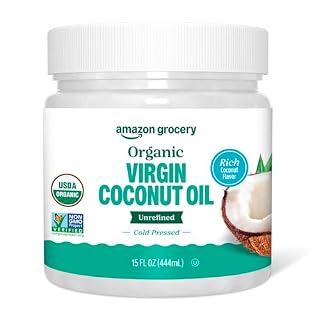
Best for very dry or itchy skin: Amazon Fresh Coconut Oil
Coconut oil is a thick, solid-at-room-temperature oil that works as an occlusive. This means it seals in moisture very effectively, which is great for eczema-prone or extremely dry patches. It is affordable and widely available.
Who it suits: People with very dry skin, dry patches on legs and arms, or those who like a rich, protective layer. There is more on moisturizing essence for daily routine in a separate guide.
One honest drawback: It is highly comedogenic for some people, meaning it can clog pores and cause acne on the chest, back, or face.
Who should skip it: If you are prone to acne or have oily skin, coconut oil is usually not the best choice for your face or upper body.
Product P1 is a budget-friendly option here. Note that coconut oil is technically a food-grade oil in this product; it is solid above 75°F and will turn liquid in warm climates. It is a simple, effective moisturizer for dry skin.
Provides a thick, occlusive barrier that locks in moisture for very dry skin.
- About this Item: Coconut oil in solid form will transform to liquid at temperatures
- Your favorite Happy Belly products are now part of the Amazon Fresh family! Packaging
How to choose the right body oil
Choosing the right oil depends less on the brand and more on the base ingredient and your skin’s needs. Here is how to decide which one to buy.
- Check your skin type: Oily skin needs light oils (jojoba, grapeseed). Dry skin needs rich oils (almond, coconut, avocado).
- Look at the label: The first ingredient should be the oil. Avoid ‘perfume’ or ‘fragrance’ if you have sensitive skin.
- Patch test: Apply a small amount behind your ear or on your inner arm for 24 hours. Watch for redness or itching.
- Consider the consistency: ‘Dry’ oils absorb fast; ‘thick’ oils seal in moisture. Choose based on your preference.
| Product | Best For | Key Strength | Main Drawback |
|---|---|---|---|
| Jojoba Oil | Most skin types | Balances oil, light feel | Mild scent, light texture |
| Almond Oil | Dry, normal skin | Rich in Vitamin E | Nut allergy risk |
| Argan Oil | Mature, dull skin | High antioxidant content | Distinct smell, higher cost |
| Coconut Oil | Very dry skin | Strong moisture seal | Can clog pores for acne-prone skin |
Pro tip: Apply body oil to damp skin, right after a shower, to trap water in the skin for maximum hydration.
When to see a doctor
Body oils are generally safe, but skin reactions can happen. If you develop a widespread rash, severe itching, swelling, or blisters after using an oil, stop using it immediately.
If the reaction does not go away within a few days or if you have signs of infection like increased warmth, redness, or pus, see a healthcare provider. They can determine if you have an allergic contact dermatitis or another skin condition that needs treatment. Loaders in this spot often ask about unveiling The Secrets Of Jojoba Oil as well.
Never use essential oils undiluted on large areas of the body. If you are pregnant or breastfeeding, consult your doctor before using new herbal products or essential oils on your skin.
The bottom line
For most readers, Cliganic Organic Jojoba Oil is the safest and most versatile choice because it suits a wide range of skin types without heavy drawbacks. If your skin is very dry, add a thicker oil like almond or coconut to your routine. Start with a patch test and apply to damp skin for the best results.
- Packaging May Vary - New look, same great product.
- Certified Organic Jojoba Oil - Cliganic organic jojoba oil is proudly USDA organic
Frequently asked questions
Is jojoba or almond oil better for the body?
Jojoba is better for oily or combination skin because it is lighter and balances sebum. Almond oil is better for dry skin because it is richer and contains more vitamin E. If you have dry, normal skin, almond oil is often the better everyday choice.
Can I use coconut oil on my face?
It depends on your skin. Coconut oil is highly comedogenic, meaning it can clog pores for many people. If you are acne-prone, it is safer to stick to lighter oils like jojoba, squalane, or grapeseed on your face.
Do body oils replace lotion?
They are not direct replacements for everyone. Oils are great for sealing in moisture, but lotions contain water and humectants like glycerin that actually add water to the skin. For very dry skin, you might use a lotion first and then an oil on top, or use an oil-rich moisturizer.
How long does body oil last?
Pure, cold-pressed oils typically have a shelf life of 12 to 24 months. Check the ‘best by’ date on the bottle. If the oil smells rancid, darkens significantly, or feels sticky and thick, it has gone bad and should be discarded. Before you buy anything, it is worth looking at getting kylie skin oil right.