
You want a stronger heart but feel overwhelmed by conflicting advice on what actually works. This page cuts through the noise with five clear, everyday habits that research supports.
In short: The strongest predictors of heart health are consistent movement, a diet rich in fiber and plants, quality sleep, and managing stress. These four areas work together to lower blood pressure and improve circulation. You do not need drastic changes; small, daily adjustments to these habits create long-term protective effects for your cardiovascular system.
Our pick
Tap to see today's price on Amazon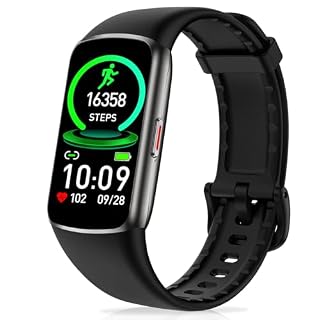
A heart-rate monitor helps you see how your resting heart rate responds to sleep and exercise changes.
Why Sleep Position Matters Less Than Sleep Quality
Many people believe sleeping on your left side is the single best position for heart health. While side sleeping can reduce pressure on the lungs, research shows that total sleep duration and quality matter far more for cardiovascular risk. Chronic sleep deprivation raises blood pressure and inflammation more than minor positional shifts lower them. We cover defining your own physical health goals in a guide of its own.
For most adults, sleeping on your back or left side is comfortable and safe. The American Heart Association emphasizes that adults need seven to nine hours of sleep to allow the heart to rest and repair. If you wake up gasping or with severe reflux, adjust your position or pillow, but prioritize fixing the underlying sleep issue first.
Myth vs. Fact
- Myth: You must sleep on your left side to avoid heart attacks.
- Fact: No single position prevents cardiac events. Consistent, uninterrupted sleep of adequate duration protects your heart far more effectively than posture.
If you find it hard to stay asleep, a smart tracker can help you spot patterns. Look for devices that log heart rate variability, which often correlates with rest quality.
Tracking heart rate trends helps you see if sleep changes are actually lowering your resting pulse.
- 24/7 Heart Rate Monitor :This blood pressure watch supports real-time dynamic heart
- 1.47 inch AMOLED HD Touch screen: The Stopwatch pairs flawlessly with the Skin-friendly
The Five Habits That Strongly Lower Cardiovascular Risk
While sleep is one piece, heart health is built on five core pillars. Evidence from major health organizations consistently points to these daily behaviors as the most impactful. You do not need to be perfect; you need to be consistent.
- Movement: 150 minutes of moderate activity weekly lowers risk significantly.
- Diet: High fiber and whole grains improve cholesterol levels.
- Sleep: Seven plus hours supports blood pressure regulation.
- Stress Management: Chronic stress raises cortisol, which strains the heart.
- No Smoking: Cessation is the single most effective step to protect vessels.
Start with one habit. If you sit all day, aim for a ten-minute walk after meals. If you skip breakfast, add fruit. Small, additive changes compound over months. This approach is sustainable and aligns with guidelines from the CDC and NIH.
Tip: Consistency beats intensity. A brisk walk every day is better for long-term heart health than one intense workout per week.
How Movement Protects Your Heart Beyond Calorie Burn
Exercise does more than burn calories; it physically strengthens the heart muscle and improves arterial flexibility. When you move, your heart pumps more efficiently, and your blood vessels dilate to meet demand. Over time, this training lowers your resting blood pressure and improves how your body handles stress. It helps to understand optimal sleeping duration before going further.
You do not need a gym membership. A thick yoga mat makes it easy to do stretching, core work, or low-impact aerobics at home. The key is variety: mix walking with strength exercises. Resistance training helps regulate blood sugar, a major factor in heart disease risk.
If you are out of shape, start with five minutes. Gradually increase duration, not intensity. Listening to your body prevents injury, which keeps you active in the long run.

A cushioned mat makes home workouts safer and more consistent for joint-sensitive users.
- Extra thick, cushy floor mat in Pink for yoga, gym, and everyday exercise
- 1/2 inch thickness offers comfortable padded support and shock absorption; textured
Diet Choices That Support Arterial Health
What you eat directly impacts your cholesterol and blood pressure. Diets high in processed meats and refined sugars promote inflammation. In contrast, diets rich in vegetables, fruits, nuts, and whole grains protect the lining of your arteries. The Mediterranean diet is the most studied model for heart health, showing strong links to reduced cardiac events.
Hydration is often overlooked. Dehydration can thicken blood slightly, making the heart work harder. Keeping a water bottle handy encourages consistent intake throughout the day. A clear, time-marker bottle can help you track your progress without guessing.
You do not need to count calories strictly. Focus on volume: fill half your plate with vegetables. Limit sodium to reduce blood pressure spikes. Small swaps, like water instead of soda, have a massive cumulative effect.
When to See a Doctor for Heart Health
Prevention is key, but you must know when to seek immediate care. Call emergency services if you experience chest pain, shortness of breath, or pain radiating to the arm or jaw. These are signs of a heart attack, not something to manage at home. For the detail, see our notes on optimal male wellness.
For routine care, schedule a check-up if you have risk factors. This includes high blood pressure, high cholesterol, diabetes, or a family history of early heart disease. Your doctor can run blood tests and an ECG to establish a baseline. They can also advise if your daily habits need medical support.
Do not ignore persistent fatigue or dizziness that doesn’t go away. While these can be minor, they can also signal arrhythmia or other cardiac issues. Early detection saves lives.
Safety: If you have known heart disease, always consult your doctor before starting a new exercise routine or major diet change.
How to Build a Sustainable Heart-Health Routine
Willpower fades; systems last. To make heart-healthy habits stick, attach them to existing behaviors. For example, stretch for ten minutes right after you brush your teeth. This is called “habit stacking.” It removes the decision-making step, making the healthy behavior automatic.
Track your progress in a simple way. A fitness tracker can log steps and heart rate, giving you data instead of guesswork. Seeing your resting heart rate drop over three months is a powerful motivator. It proves the habits are working.
Finally, be kind to yourself. You will have bad days. Missing a walk or eating a treat does not ruin your heart health. One day of poor choices does not undo a year of good ones. Focus on the long-term trend, not daily perfection. Loaders in this spot often ask about Cole Fackler fitness tips as well.
The bottom line
Protect your heart by combining consistent movement, a plant-rich diet, quality sleep, and stress management. Start by adding a ten-minute daily walk and using a heart-rate monitor to track your resting pulse trends. See a doctor immediately for chest pain or shortness of breath.
- 24/7 Heart Rate Monitor :This blood pressure watch supports real-time dynamic heart
- 1.47 inch AMOLED HD Touch screen: The Stopwatch pairs flawlessly with the Skin-friendly
Frequently asked questions
Is sleeping on your left side really the best for the heart?
It is not the most critical factor. While left-side sleeping may help some people with reflux, total sleep quality and duration matter far more for cardiovascular health. Focus on getting seven to nine hours of uninterrupted sleep in any comfortable position.
What is the best exercise for heart health?
Moderate aerobic activity like brisk walking is the most effective for most people. Aim for 150 minutes per week. You can break this into ten-minute sessions. Combining cardio with light strength training provides the best overall benefits.
Can I reverse heart disease with diet?
Diet cannot reverse advanced heart disease, but it can significantly slow progression and prevent new blockages. A heart-healthy diet lowers cholesterol and blood pressure. Always follow your doctor’s advice for medication and care if you have a diagnosis.
How often should I check my blood pressure?
If you have high blood pressure, check it daily or as directed by your doctor. If you are healthy, check it at least once a year during a routine visit. Home monitors are accurate if used correctly with proper cuff size.
Does stress actually cause heart attacks?
Chronic stress raises cortisol and adrenaline, which increase heart rate and blood pressure over time. This strain contributes to arterial damage. Managing stress through relaxation techniques or therapy is a valid heart-health strategy, not just a mental one. For the detail, see our notes on recognizes social withdrawal signs.