
You likely keep sacrificing sleep to fit in one more hour of work or leisure, wondering if it is worth it. This page breaks down exactly how short-term sleep loss changes your body, brain, and mood, and gives you a clear plan to get your rest back.
In short: Sleep is not just rest; it is a deep biological reset where your body physically repairs tissues, clears metabolic waste, and stabilizes your mood. The evidence that sleep protects your long-term health is strong, so treating it as an afterthought is the main reason many people struggle with fatigue and weight control.
Quick picks
Our shortlist for this job · tap one to see today's price
The contoured cup blocks light and removes pressure so you can sleep deeply even in a bright room.

Blocking out the sunrise helps keep your melatonin levels high for a full night of sleep.
What Sleep Actually Does While You Rest
Sleep is an active process, not a pause button. Your brain cycles through four distinct stages, each with a different job to do for your health. Understanding these stages helps you see why a few missed nights have such a big impact on how you feel the next morning. Before you buy anything, it is worth looking at bouncing bed sleep techniques.
The Four Stages
- Stage 1 & 2 (Light Sleep): This is the entry phase. Your heart rate slows and your body temperature drops as you let go of the day’s stress.
- Stage 3 (Deep Sleep): This is the restorative phase. Your body releases growth hormone, which repairs muscles, bones, and tissues. This is where your physical body heals.
- REM Sleep (Rapid Eye Movement): This is the mental phase. Your brain activity is very high and you process memories and emotions. This is where you dream and where your brain consolidates what you learned today.
Pro tip: You cannot 'catch up' on sleep by sleeping in on the weekend. Your body resets its biological clock quickly, making it harder to fall asleep on Sunday night.
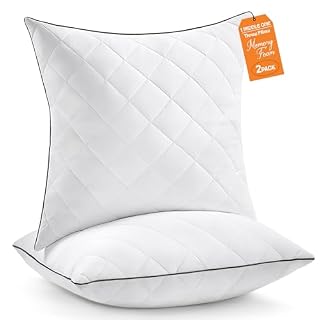
A supportive pillow helps keep your airway open and comfortable, making it easier to stay in deep sleep stages.
- Memory Foam Throw Pillow Inserts: Filled with blended shredded memory foam and
- Quilted Design Fabric: Crafted with quited design cover, our throw pillow is breathable
Your Biological Clock and Why Light Rules It
Every human has a circadian rhythm, an internal 24-hour clock that controls when you feel sleepy and when you feel alert. This clock is synchronized by the environment, specifically by light and darkness.
During the day, natural light tells your brain to produce cortisol (the wake-up hormone) and suppresses melatonin (the sleep hormone). At night, the absence of light allows melatonin to rise, signaling your body that it is time to sleep. If that sounds like your bench, read up on therapy sleep pillow next.
Modern life disrupts this clock. Bright screens in the evening, late-night shift work, or heavy curtains blocking morning sun can confuse your internal timer. When your clock is off, you will feel tired at the wrong times and struggle to fall asleep when you actually need to rest.
How Sleep Protects Your Body, Weight, and Heart
The connection between sleep and physical health is well-established in medical literature. When you sleep well, your body maintains homeostasis—the balance that keeps your organs, metabolism, and immune system functioning correctly.
Weight and Metabolism
Sleep directly affects the hormones that control hunger. When you are sleep-deprived, your body produces more ghrelin (the hunger hormone) and less leptin (the hormone that tells you you are full). This is why tired people crave high-calorie, high-sugar foods and gain weight without eating more calories than they burn. The other half of this decision is sleep improve mood.
Immunity and Heart Health
During deep sleep, your immune system releases proteins called cytokines, which fight inflammation and infection. The National Institutes of Health (NIH) notes that long-term sleep deprivation weakens this defense, leaving you more susceptible to colds and infections.
Your cardiovascular system also needs sleep to lower its resting heart rate and blood pressure. Skipping this ‘rest period’ puts chronic stress on your heart and blood vessels over time.
A quality light-blocking mask creates the darkness your body needs to protect your heart and boost immunity overnight.
- Zero Eye Pressure: The Deepest 13mm arc-shaped widened eye cups provide makeup-safe
- Great for Side Sleepers: Upgraded 15°-curved thin sides ensure smooth transitions with
The Real Impact of Sleep on Your Mood and Focus
Perhaps no one feels the ‘power of sleep’ more acutely in their mental state than a parent, a student, or a new employee. Sleep and mental health are deeply connected in two directions: not sleeping well harms your mood, and having a disordered mood makes it hard to sleep.
Emotional Regulation
Your brain uses sleep to process the emotional events of the day. Without it, the part of your brain responsible for empathy and calm (the prefrontal cortex) is under-powered, while the emotional reactor (the amygdala) becomes over-active. The result is that you react to minor problems with major anger or anxiety.
Cognitive Performance
Research from the Mayo Clinic highlights that sleep deprivation mimics the effects of being legally intoxicated on a car driver. Your reaction time slows, your memory creates gaps, and your ability to make complex decisions drops. If you find yourself staring at a screen without reading the words, that is a sign your brain is running on fumes.
When Poor Sleep Becomes a Medical Problem
Not everyone who does not sleep well has just ‘bad habits.’ Sometimes the issue is a medical condition that requires a doctor’s diagnosis and treatment. General advice on sleep hygiene works for most people, but it will not fix the root cause of a sleep disorder. We go through health benefits of good sleep step by step in its own article.
Common Sleep Disorders
- Sleep Apnea: You stop breathing repeatedly during sleep. You might wake up gasping, have morning headaches, or feel exhausted despite sleeping 8 hours.
- Restless Legs: An uncomfortable, creeping sensation in your legs that is relieved by moving them, usually preventing you from falling asleep.
- Chronic Insomnia: The persistent inability to fall asleep or stay asleep, affecting daily function for at least a month.
If you suspect any of these, self-diagnosis is not enough. These conditions have specific, effective medical treatments that can dramatically change your life.
Safety first: Loud snoring accompanied by gasping or pauses in breathing is a primary warning sign for sleep apnea. This is a medical issue, not a minor nuisance.
Myths That Keep You Awake
Many people hold onto sleep myths that actually make their sleep worse. Let’s clear up the most common ones so you can stop practicing them.
Myth: “I can just train my body to run on 5 hours of sleep.”
Facts: The Mayo Clinic states that there is no known mechanism in the brain that allows you to ‘get used to’ running on 5 hours. Every hour you sleep is a necessary biological function. Some people need less sleep than others, but chronic sleep deprivation harms everyone.
Myth: “If I can’t sleep, I should just stay awake and try again later.” There is more on the link between deep sleep and memory in a separate guide.
Facts: When you struggle to fall asleep after 20 minutes, staying in bed keeps your brain in a state of anxious wakefulness. It is better to get up, do a boring task in dim light (like reading a book), and return to bed when you feel genuinely sleepy.
When to See a Doctor
Most sleep issues can be managed with lifestyle changes, but persistent problems need professional attention. You should see a doctor if:
- You fall asleep or feel an overwhelming urge to doze off while awake during the day.
- You snore loudly, or a partner says you stop breathing or gasp at night.
- Your legs feel like they are twitching or an itch crawling sensation makes it hard to sleep.
- You have a bad mood, panic attacks, or anxiety that makes you toss and turn every night for more than a month.
Your doctor can order a sleep study or refer you to a sleep specialist. Finding the root cause is the fastest way to unlock the full power of sleep.
How to Sleep Better: 6 Practical Steps
You do not need to overhaul your life. You just need to make your environment and habits supportive of your circadian rhythm. These steps are the most effective way to optimize your sleep.
Light and Dark
- Get morning sun: Exposure to bright light within an hour of waking anchors your biological clock for the day.
- Dim the lights at night: Turn off harsh overhead lights two hours before bed. Use warm, low-level lamps. Adding a light-blocking window shade or mask helps if your home is bright.
- Set a wake-up time: Choose a time and keep it the same, even on weekends. Consistency is stronger than the total hours of sleep.
Temperature and Body
- Cool the room: Your core body temperature must drop to sleep. Set your thermostat between 60°F and 67°F. A heavy comforter can be used to keep you warm without turning up the heat.
- Wind down for 30 minutes: Do not look at work emails or stressful news right before bed. Try reading, stretching, or a warm shower. This helps your nervous system shift from ‘high alert’ to ‘rest’ mode.
- Caffeine cutoff: Stop consuming caffeine after 1 p.m. Caffeine blocks sleep receptors; the ‘afternoon crash’ often leaves you with an active nervous system hours later.
The bottom line
The power of sleep is not a luxury, it is the foundation of your physical and mental health. If you are struggling to sleep well, the most effective next step is to create a dark, cool sleep environment. For most readers, starting with a dedicated light-blocking sleep mask is the easiest, most immediate change you can make tonight.
- Zero Eye Pressure: The Deepest 13mm arc-shaped widened eye cups provide makeup-safe
- Great for Side Sleepers: Upgraded 15°-curved thin sides ensure smooth transitions with
Frequently asked questions
What is the best amount of sleep for an adult?
According to the National Sleep Foundation, most adults need between 7 and 9 hours of quality sleep per night. Teens may need 8-10 hours. The ‘power’ of sleep depends on quality, not just quantity, so focus on uninterrupted rest.
Does sleep affect my skin and hair?
Yes. During deep sleep, your body releases growth hormones that help repair tissues and skin cells. Long-term sleep deprivation can increase cortisol, a stress hormone that breaks down collagen, leading to dull skin, puffy eyes, and increased hair shedding. There is more on sustained cognitive performance on reduced rest in a separate guide.
I take naps during the day. Is that a bad habit?
Short naps of 20 to 30 minutes in the early afternoon can boost alertness and performance without disrupting your nighttime sleep. However, long naps (over an hour) or late-afternoon naps will likely make it harder for you to fall asleep at night.
Does taking melatonin help with the power of sleep?
Melatonin is an over-the-counter supplement that signals to your brain that it is time to sleep. It is most effective for shifting your sleep cycle, such as when recovering from jet lag or working night shifts. It is not a cure for chronic insomnia. Always check with your doctor before starting a new supplement.