
You are waking up with a stiff neck or hot sheets, and your current pillow feels flat and unhelpful. This guide explains exactly what a therapy pillow does and how to choose the right shape for your body.
In short: A sleep therapy pillow is an ergonomic support tool designed to keep your spine neutral, not just a cushion for your head. These pillows use high-density materials like memory foam to absorb pressure and maintain proper alignment. The evidence shows that proper spinal support can reduce morning neck pain, though results depend on fit.
Quick picks
Our shortlist for this job · tap one to see today's price
Balanced support and washable cover for versatile, everyday neck relief.
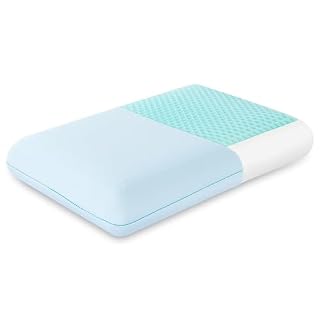
Cooling gel layer helps prevent overheating while maintaining firm support.
What Makes a Sleep Therapy Pillow Different
A standard pillow is designed for softness, but a therapy pillow is designed for structure. It aims to fix posture, not just hold your head. The goal is to keep your cervical spine in a neutral, supported position. This reduces the strain on your neck muscles. Before you buy anything, it is worth looking at bouncing bed sleep techniques.
- Standard Pillows: Low density, lose shape quickly, often too soft.
- Therapy Pillows: High density, contour to body, maintain support.
- Focus: Alignment, pressure relief, and consistent firmness.
Think of a therapy pillow as a medical aid rather than a luxury. It works to counteract the effects of gravity and poor sleeping positions. Standard down or polyester pillows tend to collapse under your weight by morning.
This forces your neck into an awkward angle. A therapy pillow resists this collapse, keeping your head aligned with your spine. This consistency is what prevents the morning stiffness many people feel.
The materials are engineered to provide a firm but responsive support. It should feel like a cushion that pushes back, not one that gives up completely. This is the key difference that separates a comfort item from a therapeutic tool.
How Contouring Foam Keeps Your Spine Aligned
Therapy pillows usually use high-density memory foam or viscoelastic materials. These materials respond to your body’s weight and temperature. When you lie down, the foam sinks where you have weight. It stays firm where you do not.
- Heat and weight soften the foam.
- The foam cradles your head and neck.
- It supports the curves of your spine.
This keeps your head from collapsing into the mattress. It prevents your neck from bending at awkward angles. The result is less muscle tension by morning.
The foam slowly returns to its original shape. This ensures the support remains effective night after night. High-density foam is critical here. There is more on mental health signs in a separate guide.
Low-density foams compress too easily and lose their shape. Look for a density of at least 4.5 lbs per cubic foot. This is the threshold for long-lasting support.
The pillow should feel firm when you press it but soft when you lay your head on it. This balance is what allows your muscles to relax completely. Without it, your neck muscles stay tense to hold your head up.
Pro tip: Check the depth of the pillow before buying. A 5-inch profile is usually the standard for most adults.
The 5-inch profile offers balanced support for different sleep positions without feeling too firm.
- High-Density Memory Foam: CushyOasis memory foam pillow offers a firm, supportive feel
- Removable & Washable Cover: The breathable outer cover unzips for convenient machine
When a Pillow Can Actually Help Neck Pain
A pillow cannot cure a structural problem like severe arthritis or a herniated disc. However, it can significantly reduce functional pain. This is pain caused by poor mechanics during sleep. If you wake up with soreness, your pillow is likely compressing your neck.
| Symptom | Pillow Role |
|---|---|
| Morning stiffness | Supports natural curve |
| Tight shoulders | Prevents head drop |
| Hot neck | Regulates airflow |
By maintaining alignment, the pillow allows your muscles to relax. It stops them from working hard to hold your head up. This is particularly useful if you have poor posture during the day.
The pillow acts as a reset button for your spine. It keeps the neck in a neutral position while you sleep. This helps the muscles recover from daytime tension. If that sounds like your bench, read up on the biological fit of that early schedule next.
If you find your shoulders are tight in the morning, your head is likely dropping. This pulls on the trapezius muscles. A proper pillow prevents this drop.
It keeps the head balanced over the shoulders. This simple alignment can make a huge difference in how you feel upon waking. It is not a magic cure, but it is a strong aid for minor, everyday discomfort.
Safety first: If neck pain radiates down your arm or you have numbness, do not rely on a pillow. See a doctor.
The reversible cooling design helps people who feel their necks get too warm.
- This gel pillow features cooling fabric on one side for an unrivaled cooling sensation
- Perfect for comfortable sleep and offers ample room to rest your head comfortably at
Common Myths About Sleep Therapy Pillows
Myth: A softer pillow is always better.
Fact: Softness is not support. If the pillow is too soft, your head sinks, and your neck bends. This increases strain on the joints. A firm pillow that contours is better for most people with neck issues.
Myth: Any pillow can be a therapy pillow.
Fact: A pillow only works as therapy if it maintains shape. Cheap pillows that flatten quickly lose their support. You need durable, high-density materials. A good therapy pillow should last for years, not just a few months.
Myth: You should sleep without a pillow.
Fact: For most back sleepers, going without a pillow flattens the neck curve. This can cause pain. A thin therapy pillow is better. Loaders in this spot often ask about value of good sleep as well.
It supports the natural lordosis of the spine. Side sleepers definitely need a thick pillow to fill the gap. Stomach sleepers need the thinnest pillow possible.
Do not skip the pillow entirely unless you are a stomach sleeper with a very thin body.
Myth: The most expensive pillow is the best.
Fact: Price does not always equal quality. A mid-price pillow with the right density is often better. You need to match the firmness to your body weight. Heavier people need firmer foams. Lighter people can use softer options. Always check the density specification.
Choosing the Right Shape and Material
Not every therapy pillow is the same. You need to match the shape to your main sleeping position. The material also determines how the pillow feels. Some people need cooling gel, while others need a softer feel.
- Cervical Contour: Best for back sleepers. It supports the neck curve. It has a dipped area for the head.
- Bolster: Best for side sleepers. It fills the gap between shoulder and ear. It keeps the spine straight.
- Low-Profile: Best for stomach sleepers. It minimizes neck twist. It is usually very thin and soft.
Also, look at the cover. A breathable cover helps with temperature regulation. If you sweat a lot, look for moisture-wicking fabrics.
Cotton and bamboo blends are good choices. They allow air to circulate. This prevents the clammy feeling that often comes with foam.
The foam itself should be certified for low off-gassing. This means it does not smell like chemicals. Check for OEKO-TEX or CertiPUR-US certifications.
These ensure the foam is safe. The shape matters, but the material matters just as much. A great shape in bad foam will not work.
A great foam in the wrong shape will also fail. You need both to work together. Think about how you sleep most of the night.
If you are a restless sleeper, a dual-density pillow might be good. It has firmness on one side and softness on the other. This gives you options. You can flip the pillow to find what feels best.
Pro tip: Try a 30-day sleep position. Move your body to test different positions. See which one feels best.
When to See a Doctor
A pillow is a comfort tool, not a medical device. It helps with comfort, but it is not a substitute for care. You should see a doctor if your symptoms do not improve after two weeks of using a good pillow.
Or if your pain gets worse. A pillow can manage minor stiffness, but it cannot fix nerve damage. If you have chronic pain, you need a proper diagnosis.
Do not wait too long to get help. Early treatment is always better. See a professional if you have the following signs.
- Severe, sharp, or shooting pain.
- Weakness, numbness, or tingling in the arms.
- Difficulty swallowing or breathing.
- Pain that wakes you up and does not go away.
- Loss of bladder or bowel control.
These signs suggest a nerve or structural issue. A physical exam is needed to find the cause. Do not ignore these symptoms.
A pillow will not fix a herniated disc. It will only comfort you while you wait for treatment. If you have any of these red flags, book an appointment with your primary care doctor.
They can refer you to a specialist if needed. This is the most important step you can take. Sleep is important, but your health is more important.
Do not let a pillow stop you from getting the care you need. Use it as a supplement to medical advice, not as a replacement.
The bottom line
A sleep therapy pillow is a practical fix for morning neck stiffness. Start with a high-density contour pillow. See a doctor if your pain is severe or does not improve.
- High-Density Memory Foam: CushyOasis memory foam pillow offers a firm, supportive feel
- Removable & Washable Cover: The breathable outer cover unzips for convenient machine
Frequently asked questions
Can a pillow fix sleep apnea?
No. A pillow is not a medical treatment for sleep apnea. Some positions, like sleeping on your back, can make apnea worse. Use a CPAP machine or see a doctor for proper care. A pillow might help comfort, but it will not cure the condition.
How often should I replace a therapy pillow?
Check your pillow every 12 to 18 months. If it stays flat and does not bounce back, it has lost its support. Replace it then to keep the alignment benefits. A good pillow should maintain its shape for at least a year. If it feels lumpy or old, it is time for a new one.
Do therapy pillows work for side sleepers?
Yes, but you need the right thickness. Side sleepers need a thicker pillow to fill the space between the shoulder and ear. A contour pillow usually works well for this. It keeps the spine straight. If your neck hurts on the side, your pillow is likely too thin.
Is memory foam safe for neck pain?
Yes, for most people. Memory foam supports the neck curve. It is safe as long as the pillow is breathable. Some people may be sensitive to the chemical smell of new foam, so air it out first. Leave it in a ventilated room for 24 hours before using it.