
You are looking for a foaming cleanser that cleans daily dirt and adds the brightening benefits of Vitamin C. This guide explains how these cleansers work, how to use them correctly, and what evidence supports their claims.
In short: A Vitamin C foam cleanser cleanses skin and delivers antioxidants in a single step. The evidence for brightening from a brief rinse-off is modest, but it is a safe addition to a routine. Use it gently for under sixty seconds, then follow with moisturizer and sunscreen to protect the skin.
Quick picks
Our shortlist for this job · tap one to see today's price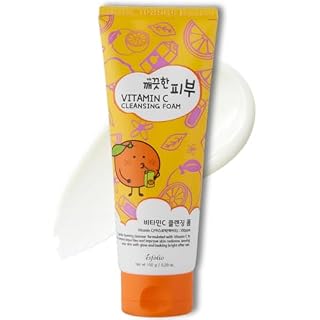
A dedicated Vitamin C foaming cleanser that matches the search intent for a rinse-off formula.

Vitamin C helps with tone, but sunscreen is the proven step that prevents dark spots from worsening.
What you need for your routine
To use a Vitamin C foam cleanser effectively, you need the right cleanser and the products that go with it. We go through origin of bio-oil step by step in its own article.
The cleanser itself is the main tool, but the surrounding steps matter just as much for skin health.
Think of the cleanser as the first step in a three-part process: cleanse, hydrate, protect.
If you skip the last two, the benefits of the first one are lost to environmental damage and dehydration.
Before you start, gather these supplies so your routine is smooth and consistent:
- Vitamin C Foam Cleanser: A gentle foaming formula, like the esfolio option, that removes oil and dirt while offering antioxidant benefits.
- Warm water: Lukewarm is best. It helps the foam spread without shocking the skin or stripping natural oils.
- Cotton towel: Use a clean, soft towel to pat skin dry. Rubbing can irritate the skin and reduce absorption of subsequent products.
- Moisturizer: To lock in hydration after washing. Look for ingredients like hyaluronic acid or ceramides to support the skin barrier.
- Sunscreen: To protect skin from UV damage. This is non-negotiable if you want to prevent new dark spots.
The cleanser is the tool you apply directly to your face. Choosing a formula labeled for daily use ensures it is mild enough for morning and evening washing.
When you first start, you do not need to buy all these items at once.
Start with the cleanser and your existing moisturizer. Add the specific sunscreen recommended for your skin type if you are not already wearing it daily.
Pro tip: Store your cleanser in a cool, dry place. Heat and humidity can degrade Vitamin C, making it less effective over time. It helps to understand healthy food before going further.
This is the primary product that cleanses while delivering the Vitamin C mentioned in the search.
- Deep Cleansing Formula for Daily Use – Designed to remove dirt, oil, sweat, and
- Rich, Creamy Foam for an Effective Cleanse – With just a small amount, this cleanser
What the evidence says about brightening
Many people buy Vitamin C cleansers hoping to fade dark spots quickly. It is helpful to understand how strong the evidence really is.
Vitamin C is a well-studied antioxidant that protects skin from free radicals and supports collagen production.
However, most brightening studies focus on leave-on serums or creams applied for hours. A rinse-off cleanser only sits on your face for under a minute.
The skin has limited time to absorb any active ingredient during this short window.
This means the brightening effect from a cleanser is modest compared to a dedicated serum.
Think of the cleanser as a gentle maintenance step, not a primary treatment for pigmentation. We cover vitamin veil cleanser in a guide of its own.
Do not expect a cleanser to erase established dark spots on its own.
It may help with overall glow and mild tone evenness, but for significant changes, a leave-on treatment is usually more effective. The American Academy of Dermatology notes that consistent sun protection is the most critical step in preventing and managing pigmentation issues.
Pro tip: If your main goal is fading dark spots, ask a dermatologist about leave-on Vitamin C serums or prescription options instead of relying solely on a cleanser.
Step 1: Prep your skin and apply the cleanser
Before applying the foam, ensure your face is damp. This helps the cleanser spread without tugging on the skin. Squeeze a small amount onto your fingertips, roughly the size of a pea.
Follow these steps to ensure a gentle and effective application:
- Wet your face with lukewarm water. Do not use hot water, as it can dry out the skin and open pores too aggressively, leading to irritation.
- Dispense cleanser onto your fingertips. The foam texture is lightweight, so a little goes a long way. Add more only if your skin feels dry.
- Massage gently onto your face in small circular motions. Start from the center of the face and move outward.
- Focus on the T-zone (forehead, nose, and chin). This area tends to produce more oil and collects the most dirt and pollution.
Keep the motions light and slow. You are trying to lift dirt, not scrub. Aggressive rubbing can damage the skin barrier, making it more sensitive to the Vitamin C and other actives.
For those with sensitive skin, spend extra time on the jawline and cheeks, where the skin is thinner and more prone to redness.
Safety first: If you feel a strong stinging sensation while applying, stop immediately. Rinse your face with cool water and discontinue use until you speak with a doctor. Before you buy anything, it is worth looking at what bio oil does.
Step 2: Rinse and dry your face properly
Once you have massaged the cleanser for about thirty to sixty seconds, it is time to rinse. The timing matters because prolonged contact with certain ingredients can be drying or irritating for some skin types.
Follow these steps to finish the cleansing process:
- Rinse thoroughly with lukewarm water. Ensure you wash away any remaining foam from the hairline, around the ears, and under the chin.
- Pat dry with a clean, soft towel. Avoid rubbing the face, as this can cause micro-trauma to the skin.
- Check for residue. Run your hand over your face. It should feel smooth and clean, not slick or sticky.
Leftover product can sometimes clog pores or cause irritation, especially if you follow it with heavier creams. Your skin should feel clean but not tight or stripped. If it feels tight, your cleanser may be too drying, or you may be using it too frequently.
Step 3: Layer moisturizer and sunscreen
This is the most critical step for long-term skin health. Vitamin C cleansers can leave skin feeling fresh, but they do not provide lasting hydration.
Without moisturizer, the skin may lose water and feel tight.
More importantly, UV exposure is the main driver of dark spots and signs of aging. To maximize the benefits of your Vitamin C cleanser, follow these steps:
- Apply moisturizer immediately after drying your face. This locks in water and supports the skin barrier.
- Morning routine: Always finish with a broad-spectrum sunscreen. Look for an SPF of 30 or higher.
- Reapply sunscreen every two hours if you are outdoors, especially if you are sweating or swimming.
Using a sunscreen with Niacinamide can help improve skin tone over time. It works alongside the Vitamin C cleanser to prevent discoloration from getting worse.
If your skin is oily, choose a gel-based moisturizer and an oil-free, non-comedogenic sunscreen to avoid clogging pores.
This sunscreen protects the skin from UV rays, which are the primary cause of the dark spots that Vitamin C aims to fade.
- This lightweight face sunscreen with transparent Zinc Oxide provides broad spectrum SPF
- FOR NORMAL, ACNE-PRONE, AND SENSITIVE SKIN TYPES: UV Clear uses an oil-free
Common mistakes that reduce results
Even with the right product, how you use it changes the outcome. Avoid these frequent errors to get the most from your routine.
Many users make small habits that undermine the benefits of the cleanser:
- Leaving it on too long: Do not let a rinse-off cleanser sit for five minutes. It is designed for short contact. Instead, keep it under sixty seconds to avoid irritation.
- Skipping sunscreen: Vitamin C can make skin more sensitive to light. Instead, use SPF every single morning, even on cloudy days. UV rays penetrate clouds.
- Scrubbing hard: The foam texture can feel like it needs effort. It does not. Instead, use light, circular motions with your fingertips. Your skin is not a dishcloth.
- Expecting instant results: Skin cycles take weeks. Instead, be consistent for at least eight weeks before judging tone changes. Patience is key.
One cleanse will not transform your skin, but a consistent, gentle routine will maintain its health.
If you notice no change after two months, review your sunscreen use first. It is the most likely culprit for persistent dark spots.
When to see a doctor
While Vitamin C cleansers are generally safe, they are not for everyone. Watch for these warning signs that require professional attention.
You should see a dermatologist if you experience:
- Persistent redness or swelling: If your face stays red for more than twenty minutes after washing, you may have an allergic reaction.
- Stinging or burning: A mild tingle is normal, but sharp pain or burning indicates that your skin barrier is compromised.
- New breakouts: If you develop a rash of small bumps (folliculitis) or cystic acne, stop the product and see a doctor.
Do not attempt to treat severe reactions at home.
If you have a history of eczema or rosacea, patch test the cleanser on your inner arm for 24 hours before using it on your face.
If your skin looks healthy but you are unsure about adding new products, a quick consultation with a dermatologist can help tailor the routine to your specific skin type.
The bottom line
A Vitamin C foam cleanser is a safe and gentle step for daily cleansing and mild antioxidant protection. It will not replace a serum or sunscreen, but it fits well into a basic routine. If your skin is sensitive, patch test first and keep the contact time short.
- Deep Cleansing Formula for Daily Use – Designed to remove dirt, oil, sweat, and
- Rich, Creamy Foam for an Effective Cleanse – With just a small amount, this cleanser
Frequently asked questions
Do I still need a Vitamin C serum if I use a cleanser?
Yes, if you want stronger brightening effects. The cleanser washes away quickly, so very little Vitamin C is absorbed. A leave-on serum stays on the skin, allowing for deeper and more sustained antioxidant protection and tone improvement.
How often should I use a Vitamin C foam cleanser?
You can use it once or twice a day. For most people, using it in the morning is ideal to clear away night creams and prepare the skin for sunscreen. If your skin feels dry, limit it to morning use and switch to a gentler cleanser at night.
Is Vitamin C foam cleanser good for acne-prone skin?
It can be, provided the formula is non-comedogenic and fragrance-free. The gentle foaming action helps remove excess oil that clogs pores. However, if the cleanser stings, avoid it, as compromised skin is harder to heal. Always follow with a lightweight moisturizer.