
You have a bottle of lotion but wonder if you are rubbing it in wrong, or if it clumps with your sunscreen. This guide gives you the exact order and technique to get smooth skin without irritation.
In short: Apply body lotion to damp skin immediately after showering to lock in moisture. If using sunscreen, apply the lotion first, let it absorb, then layer sunscreen on top. Avoid putting body lotion on your face unless it is specifically labeled for that use.
Quick picks
Our shortlist for this job · tap one to see today's price
Hypoallergenic and non-greasy, making it a safe baseline for most skin types.

Contains ceramides to repair the barrier if standard lotions feel insufficient.
Why damp skin makes lotion work better
Your skin absorbs water fastest when it is slightly wet. This is a physics fact, not a marketing trick. Trapping that water under a layer of lotion creates a seal that lasts longer. It helps to understand how often people apply moisturizer before going further.
Water evaporates quickly from dry skin, taking natural oils with it. If you apply lotion to completely dry skin, you are sealing in less moisture than you could have. The result is that your skin may feel dry again within a few hours. The other half of this decision is keeping skin hydrated during cold months.
The 3-Minute Window
- Exit the shower or wash your hands.
- Gently pat skin with a towel until it is damp, not dripping.
- Apply lotion within 60 seconds to maximize absorption.
This brief window is critical for people with eczema or severe dryness. By trapping the water from your shower, you reduce the need for thick, greasy creams later in the day.
Pro tip: Do not blot your skin completely dry. Leave a light film of water for the best hydration effect.
The correct layering order with sunscreen
This is the most common question for outdoor days. The evidence strongly supports a specific order to ensure your UV protection works as intended.
Sunscreen needs to sit on the outermost layer to block rays. Lotion goes underneath to hydrate. If you put lotion over sunscreen, you dilute the protection and can clog your pores, leading to breakouts on exposed skin.
Step-by-Step Routine
- Apply body lotion to damp skin after your morning shower.
- Wait 5 to 10 minutes for it to fully absorb and feel dry to the touch.
- Apply sunscreen as the final step before putting on clothes.
Never apply lotion after sunscreen. It will reduce the SPF effectiveness and can cause pilling or clumping of the sun product, creating weak spots where UV rays can penetrate. Loaders in this spot often ask about mixing lotion with sunscreen as well.
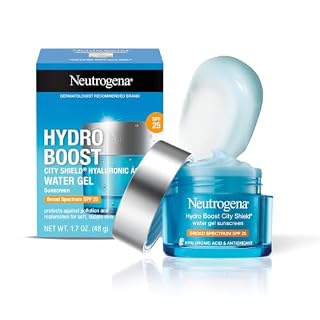
Combines hydration and SPF so you only need one product for a simple morning routine.
- Hydrating UVA/UVB coverage: Protects skin against UV rays and locks in moisture to
- Fast-absorbing, lightweight: Broad spectrum sunscreen protection in a hydrating
Technique: how to rub it in properly
Most people rub lotion in circles too fast. This can stretch the skin and leave visible streaks. A slower, upward motion is better for lymphatic drainage and absorption.
Use the pads of your fingers, not the whole hand. Apply to the shins, elbows, and heels, which have the thickest skin. These areas often need a thicker layer because they lack many of the oil glands found elsewhere on the body.
Avoid These Mistakes
- Skipping joints: Elbows and knees crack easily if left dry.
- Rubbing hard: Gentle pressure is enough; friction causes irritation and redness.
- Using too much: A pea-sized amount is fine for a limb; you do not need to layer it thickly.
If you have hairy arms or legs, wait for the lotion to become completely dry before dressing. Applying it over damp, sticky skin can cause tugging and discomfort when you put on clothes.
Can you use body lotion on your face?
The short answer is: avoid it. Facial skin is thinner and more sensitive than body skin. Body lotions are formulated with heavier oils that can clog facial pores.
If you run out of face cream, a small amount of unscented, fragrance-free body lotion is a temporary emergency fix. It is not a long-term solution for daily facial care.
Look for the term non-comedogenic on any product you might consider for your face. This label indicates the ingredients are tested not to block pores, which is a key difference from most body lotions. Loaders in this spot often ask about nourishing your skin after sun as well.
Choosing the right formula for your skin type
Your skin type dictates the texture you need. Oily skin often tolerates lotions better than creams because they are less greasy. Dry skin may need a heavier balm or cream to maintain its barrier.
Sensitive skin should avoid fragrances and essential oils. These are the top two causes of allergic contact dermatitis from body products. Stick to gentle, fragrance-free options until you know how your skin reacts.
| Skin Type | Best Product Type |
|---|---|
| Dry/Flaky | Rich cream or balm with ceramides |
| Oily/Acne-prone | Lightweight, oil-free gel or lotion |
| Sensitive | Fragrance-free, hypoallergenic formula |
If you have very dry skin that cracks, look for products containing ceramides. These lipids help repair the skin barrier, which is why they are standard in facial skincare.
High concentration of ceramides helps repair the barrier for very dry or itchy skin.
- GRADE ACTIVES, MADE FOR BODY SKIN: Your face routine runs on proven actives like
- A complete ceramide complex with EOP, AG, AP, NG, NP, real barrier-repair
When to see a doctor for skin issues
Body lotions are generally safe, but persistent skin problems need professional review. Do not ignore signs that your skin is reacting negatively to a product.
If you have open wounds, active infections, or severe rashes, stop using the product and call your provider. Topical moisturizers are not treatments for medical skin conditions and should not be applied to infected areas.
Warning Signs
- Rash that spreads, oozes fluid, or feels hot to the touch.
- Severe itching that disrupts your sleep or daily life.
- Pain or swelling in the skin, which may indicate a serious infection.
The bottom line
Apply lotion to damp skin to lock in moisture, and always put it on before sunscreen. For most people, a simple, fragrance-free lotion is the safest daily choice. If your skin is very dry, switch to a ceramide-rich formula. We go through moisturizer options for dry skin step by step in its own article.
- 24-hour results: Clinically proven to help moisturize dry skin for 24 hours** with
- Effective ingredients: Made with shea butter and Pro-Ceramide, it’s a lightweight
Frequently asked questions
Should I apply body lotion before or after sunscreen?
Apply body lotion first. Let it absorb for five to ten minutes, then apply sunscreen on top. This ensures the sunscreen creates a proper protective layer without being diluted or compromised by the lotion.
Is it bad to apply body lotion on my face?
It is generally not recommended. Body lotions are thicker and can clog facial pores, leading to breakouts. Use a product specifically labeled for facial use, which is usually lighter and non-comedogenic to protect delicate skin.
How much body lotion should I use?
Use enough to cover the area without leaving a heavy, shiny residue. You do not need to pile it on. A thin, even layer is better for absorption than a thick, greasy layer that sits on top of the skin.
Can I use body lotion every day?
Yes, daily application is safe for most people and helps maintain the skin barrier. If you notice irritation or a rash, stop use and consult a dermatologist. Consistency is more important than frequency for long-term skin health.