
You want to know if 30 minutes of walking is actually enough to lose fat or if it is just a nice break. This page gives you the direct answer, the realistic benefits, and a simple way to fit it into your day.
In short: Walking 30 minutes a day can help with weight management when combined with a balanced diet. It is a low-impact habit that supports heart health, sleep, and mood. The evidence is strong for general health benefits, but weight loss varies by individual.
Quick picks
Our shortlist for this job · tap one to see today's price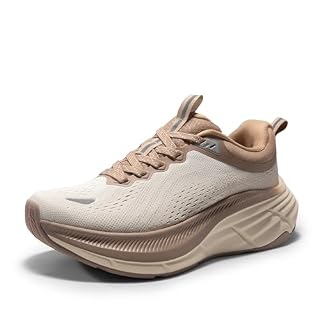
Cushioned support makes long walks easier on joints.

What 30 Minutes of Walking Actually Does
Walking is an accessible aerobic activity that gently raises your heart rate. Thirty minutes is a practical benchmark because it fits into most daily schedules without feeling like a chore. It counts as moderate-intensity exercise if you keep a steady, brisk pace that slightly increases your breathing. We go through weight loss tumblr step by step in its own article.
You do not need special gear or a gym membership to start. This makes it an ideal option for adults of many fitness levels, including those who have been sedentary for a long time. The primary goal here is consistency rather than peak performance.
Building a habit that you can sustain is more valuable than a short burst of high intensity that you abandon after a week.
- Heart health: Regular movement supports circulation and helps manage blood pressure.
- Sleep quality: Daily physical activity can help you fall asleep faster and improve deep sleep cycles.
- Mood support: Short, regular walks can reduce feelings of stress, anxiety, and mental fatigue.
Pro tip: Start with a comfortable pace that raises your breathing but still allows you to speak in short sentences.
How Walking Supports Weight Management
Walking burns calories, but it is not a magic shortcut or a guarantee of rapid weight loss. Weight change depends heavily on your food intake, sleep quality, stress levels, and overall daily activity level.
A 30-minute walk adds to your total daily energy expenditure, which can create a small but consistent deficit when paired with sensible eating. The other half of this decision is does Magnesium Really Help With Weight Loss Fast.
No exercise targets fat in one specific area, such as the belly. Your body uses energy from all stored reserves. This means changes in body composition happen across the body and vary significantly between individuals. Gradual, steady changes are usually more sustainable and healthier than extreme plans that lead to quick rebound.
Pair walking with mindful eating for the best results. The movement helps regulate appetite hormones and improves insulin sensitivity over time. If weight loss is your specific goal, focus on building a sustainable routine rather than chasing a specific number on the scale.
The health benefits of walking are immediate, while weight changes are long-term byproducts of consistent energy balance. It helps to understand smart eating habits that help you slim down before going further.
Pro tip: Focus on building a sustainable routine rather than chasing a specific number on the scale.
Simple 5-Day Weekly Walking Plan
If 30 continuous minutes feels like a big jump, split it up. Three 10-minute walks provide the same total time as one 30-minute session. This approach is often easier to fit around work, school, or family obligations. You do not need to find one large block of time; you just need to move in short bursts.
Here is a flexible structure to get you started. You can adjust the timing to match your energy levels and daily schedule. The key is to anchor the walks to regular cues, like after meals or before work.
- Monday: 15 minutes in the morning and 15 minutes after lunch.
- Tuesday: One continuous 30-minute walk during your afternoon break.
- Wednesday: Three 10-minute walks spread throughout the day.
- Thursday: One 30-minute evening walk to unwind.
- Friday: Two 15-minute walks, one before and one after dinner.
This plan ensures you hit the 150-minute weekly recommendation for moderate activity. It also keeps things fresh so you do not get bored with the same routine every day.
Pro tip: Track completed walks rather than calories burned to keep motivation high and focus on habit building.
A fitness tracker reminds you to move and logs your progress automatically.
- Fitness trackers with AMOLED HD Touch Color Screen design, an exquisite visual display
- With app “Keep Heath”, the step counter understand resting heart rate trends and better
Choosing Shoes That Protect Your Joints
The right footwear prevents blisters, calluses, and reduces impact stress on your knees, hips, and lower back. Look for shoes designed specifically for walking or running, as they have different support structures than fashion sneakers. They should fit snugly at the heel but allow your toes to move freely without cramping during longer walks. If that sounds like your bench, read up on quick meal recovery walk next.
Avoid using old sneakers with worn-down tread or flattened midsoles. Check the midsole by pressing it with your thumb; if it remains indented, it has lost its cushioning. Check the outsole on the underside; if the ridges are flat and smooth, your grip is compromised. Replacing shoes every 300-500 miles is a common guideline to maintain support.
For most people, a neutral walking shoe is sufficient. If you overpronate (feet roll inward excessively), look for stability features in the midsole that guide your foot. If you have wide feet, look for brands that offer wide sizing. The best shoe is the one that feels comfortable for your specific foot shape and walking surface.
When to See a Doctor
Walking is generally safe for many people, but it should always feel manageable. Listen to your body and stop immediately if you experience chest pain, severe shortness of breath, fainting, or sudden dizziness. These symptoms can indicate serious heart or vascular issues that require urgent medical care. Do not ignore these warning signs.
It is wise to check with a clinician before starting a new exercise program if you have known heart disease, a significant chronic condition like diabetes or arthritis, a recent injury, or symptoms that already limit your mobility. A doctor can advise on safe intensity levels and whether certain movements might aggravate your specific condition.
If you notice persistent pain in your joints, knees, or lower back that worsens with walking, get it checked by a professional. This may be a sign of mechanical strain, inflammation, or an underlying issue that needs physical therapy or other specialized care. General education is not a substitute for personalized medical advice.
Common Myths About Walking for Fat Loss
Myth: You must walk fast to burn fat.
Fact: Any steady movement counts toward your health goals. Brisk walking is moderate intensity, which is sufficient for cardiovascular benefits and calorie burning. You do not need to race or hit a specific speed to see results. Consistency is far more important than speed. It helps to understand 5kg weight loss strategy before going further.
Myth: Walking burns belly fat specifically.
Fact: Fat loss is systemic, meaning your body draws from reserves all over. You cannot spot-reduce fat from one specific area like the belly or thighs. Changes happen across the body based on your total calorie balance and genetic factors.
Myth: You need to walk every single day without rest.
Fact: Rest days are important for muscle recovery and preventing overuse injuries. While daily walking is excellent, you can meet health guidelines with 150 minutes of activity spread across the week. Adaptability allows you to rest when you are fatigued or unwell.
The bottom line
Walking 30 minutes a day is a practical, low-impact way to support weight management and overall health. Start with a simple 5-day plan and choose supportive shoes to stay comfortable and injury-free. Consistency matters more than intensity, so focus on building a habit you can maintain.
- Exceptional Cushioning: These women’s walking shoes are well-cushioned. The thick EVA
- Breathable & Lightweight: No more sweaty feet and discomfort after long walks. The mesh
Frequently asked questions
Is walking 30 minutes a day enough exercise?
For many adults, yes. Walking 30 minutes five days a week meets the CDC recommendation of 150 minutes of moderate activity per week. Adding strength training makes the routine even more well-rounded and beneficial for bone health.
Can I walk in shorter bursts instead of 30 minutes at once?
Yes. Three 10-minute walks have the same total effect as one 30-minute session. This is a great option if you are busy, have a sedentary job, or are new to exercise. It makes the habit easier to sustain.
Will walking alone reduce belly fat?
Walking supports overall fat loss, but it does not target specific areas. Changes happen across your body based on your total calorie balance. Expect gradual changes rather than spot reduction. For the detail, see our notes on using shakes to curb hunger and burn fat.
What shoes are best for a daily 30-minute walk?
Choose cushioned, supportive shoes with a good tread pattern specifically designed for walking or running. Replace them when the sole wears down to avoid joint stress and maintain comfort during your daily routine.