
You sit at a desk all day, feel your shoulders creep forward, and want gym weights to fix your alignment. This page gives you a specific lifting routine to rebuild back strength and counteract that hunch.
In short: Weight lifting for posture works by strengthening the mid-back and rear shoulders while balancing out tight chest muscles. A balanced routine of rows, face pulls, and deadlifts is effective for most people. You should perform these movements 2 to 3 times a week to see lasting improvements in your spinal alignment.
Our pick
Tap to see today's price on Amazon
It helps release tight lats and lower back muscles after your posture workouts.
Before you start: clear the path safely
Weight lifting is safe for most people, but your body has limits. If you have a known spine injury, chronic pain, or a new ache, get medical clearance first. There is more on walking 10 minutes after meals in a separate guide.
Do not push through sharp or shooting pain. If you feel this during a set, stop immediately.
- Stop if you feel numbness in your arms or legs.
- Pause if your back spasms suddenly.
- Consult a doctor before heavy deadlifts if you have osteoporosis.
Start with light weights to learn the movement before adding load. This prevents you from cementing bad habits into your muscle memory.
If you have hypertension, check with your provider about breath-holding during heavy lifts. Most people can lift safely by managing their breathing and avoiding excessive strain.
Safety first: Never sacrifice form to add weight. Bad posture under a heavy load is how injuries happen.
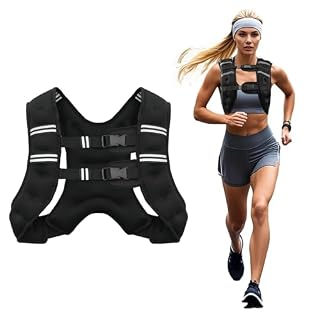
- Experience enhanced strength training as the boost your workout weighted vest adds
- Perfect for a variety of workouts, from running and hiking to bodyweight exercises and
Warm-up: get the spine ready for load
A cold spine is a stiff spine. You need to raise your core temperature before you lift. This helps the synovial fluid in your joints flow more freely.
Do two minutes of light cardio, like walking or rowing, to get blood flowing to the muscles you will use. If that sounds like your bench, read up on posture correction breathing drills next.
Finish with cat-cow stretches to mobilize your spine. These movements help you find a neutral spine position.
- Walk or row for 2 minutes.
- Do 10 cat-cow stretches.
- Do 10 bodyweight squats.
- Do 10 arm circles to warm the shoulders.
This takes five minutes but prevents stiffness during heavy sets. It also helps you focus mentally on the task ahead.
The big three posture exercises explained
These three movements target the muscles that pull you back into alignment. They are the core of your weight lifting for posture plan.
Dumbbell Bent-Over Rows
This builds your mid-back. Hold a dumbbell in each hand. Hinge at your hips, keep your back flat, and pull the weights to your ribs.
Keep your elbows close to your body. Avoid rounding your lower back. The goal is to squeeze the muscles between your shoulder blades.
Face Pulls
This strengthens your rear shoulders. Use a cable machine set to shoulder height. Pull the rope toward your face, squeezing your shoulder blades. We go through slimming routines for hip area step by step in its own article.
Finish with your elbows high and back. This movement directly counters the forward shoulder slump common in desk workers.
Trap Bar Deadlifts
This builds total body strength without excessive strain on your lower back. Stand inside the bar, grip the handles, and stand up with a neutral spine.
Keep your chest up and core braced. The bar travels closer to your center of gravity than a conventional deadlift, making it safer for posture training.
Your 10-minute weekly posture lifting table
Use this table to build your session. It balances pulling and core stability. You do not need to do all of these in one day, but aim to complete this volume each week.
| Exercise | Sets/Time | What it Helps | Easier Version |
|---|---|---|---|
| Dumbbell Row | 3 sets of 12 reps | Mid-back strength | Use lighter dumbbells or a band |
| Face Pull | 3 sets of 15 reps | Rear shoulders | Use a resistance band instead |
| Trap Bar Deadlift | 3 sets of 10 reps | Total body core | Start with just the empty bar |
| Plank | 3 sets of 30 sec | Spinal stability | Do it on your knees |
Rest 60 seconds between sets. Keep the tempo controlled. Do not rush the eccentric (lowering) phase of the lift.
Recovery: use a foam roller between sessions
Your back muscles get tight from both lifting and sitting. A foam roller helps release that tension. Think of it as a massage you can do anytime. If that sounds like your bench, read up on strengthening core stability for alignment next.
Use a high-density roller for firm pressure. Roll slowly over your thoracic spine and lats. Avoid rolling directly on your spine bones; let the roller sit on the muscles.
Do this for two minutes after your workout. This helps reduce muscle soreness and improves range of motion.
- Lie on your back on the mat.
- Place the roller under your upper back.
- Roll from shoulder to shoulder slowly.
- Pause for 30 seconds on tight spots.
A firm roller maintains its shape better than a soft one. If you have skin sensitivities, use a lighter foam roller.
Pro tip: Roll slowly. Fast rolling just makes you dizzy.
It provides firm support to roll out tight back muscles after lifting.
- High-density foam roller in Black
- Ideal for balance, strengthening, and flexibility exercises
How to progress your weights safely
Do not add weight every week. Give your body time to adapt to the new demands. Muscles and connective tissues heal slower than they grow.
Master the form with light weights for two weeks. Focus on the mind-muscle connection. You should feel the target muscle working, not just the motion happening.
When you complete all sets easily, increase the weight by 5 to 10 percent. If that feels too heavy, try adding two reps instead. We go through workout for bad posture step by step in its own article.
- Week 1-2: Learn the movement. Focus on depth.
- Week 3-4: Add small weight. Keep your rep speed slow.
- Week 5: Assess your posture in a mirror. Look for changes.
- Week 6: Introduce a rest week or deload to let your body recover.
If your form breaks down, go back to the previous weight. Consistency is more important than intensity.
When to stop and see a professional
Lifting should feel challenging, not harmful. Know the difference between muscle burn and injury. Muscle burn fades in minutes; injury lingers.
Stop immediately if you feel sharp pain in your spine. Do not try to “push through” joint pain. Your body is sending you a warning signal.
See a doctor if pain persists for more than a week. They can check for underlying issues like disc problems.
- Red Flag: Pain that wakes you up at night.
- Red Flag: Loss of strength in your legs.
- Red Flag: Tingling that does not go away after rest.
A physical therapist can help you refine your technique. They can also give you specific stretches for your unique body structure.
Safety first: If you are unsure if a pain is muscular or structural, ask a medical professional. The other half of this decision is exercise helps boost the immune system.
The bottom line
Start with the big three: rows, face pulls, and trap bar deadlifts. Practice them twice a week with light weights. Use a foam roller after sessions to keep your back loose.
- High-density foam roller in Black
- Ideal for balance, strengthening, and flexibility exercises
Frequently asked questions
Can weight lifting make my back worse?
No, if you use proper form. Lifting actually strengthens the muscles that support your spine. However, lifting with bad form or excessive weight can cause strain. Always start light and focus on movement quality.
Do I need a gym membership for posture exercises?
No. You can do many of these at home. Dumbbells and resistance bands are enough for rows and face pulls. A trap bar is best for deadlifts, but you can use dumbbells as a substitute.
How long does it take to see better posture?
Most people feel stronger after two weeks. Visible changes in posture usually take eight to twelve weeks. Consistency is more important than the weight you lift.
Is deadlifting dangerous for my lower back?
When done correctly, it is one of the safest exercises for your back. It teaches your spine to handle load. Keep your back flat and engage your core. If you have a history of back injury, get a doctor’s approval first.