
You just lifted a box, sat at your desk, or woke up with a sharp ache in your lower back, and you need to know what to do in the next 30 minutes. This page gives you the exact first aid steps to calm the pain and how to tell if you need to skip the home care and go to a clinic.
In short: The first aid for back pain is to stop straining the area, lie on a firm surface with a pillow under your knees, and apply an ice pack for the first 48 hours.
Over-the-counter pain relievers can help with the discomfort, but the main goal of first aid is to protect the back from further injury while you assess if you need a doctor. This approach is a widely accepted standard for managing acute muscle strains.
Quick picks
Our shortlist for this job · tap one to see today's price
A reliable heat source to relax tight muscles once the initial inflammation from ice has subsided.
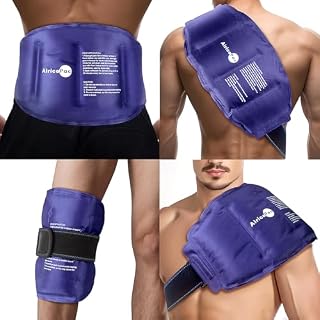
A reusable cold pack provides the targeted chill you need to calm the swelling in the first two days.
What Is First Aid for Back Pain in Plain Words
First aid for back pain is what you do in the first few hours to prevent a bad muscle strain from becoming a long-term injury. It is about protection, not a cure. Think of it like wrapping a bruised ankle.
You are not fixing the underlying wear and tear; you are just making sure the tissue can heal without you making it worse.
Most back pain from everyday movements is a muscle strain. The evidence that short-term rest and temperature therapy help is moderate. It works because it reduces the immediate swelling and stops you from pulling on the sore muscles while they are inflamed. It is a standard of care recommended by health authorities for acute cases.
You use this first aid when you have a sudden onset of pain after a specific trigger.
This is the first tool you need in your hand to keep the swelling down.
- Instant Pain Relief- This gel ice packs for injuries reusable is designed with soft
- Multifunctional & Hands-free Cold Compress Therapy: The multi-purpose ice bags can be
The Immediate Steps to Calm Sudden Back Pain
Start by moving to a position that takes the load off your spine. The best place is on a firm surface, like a bed or the floor. Place a pillow under your knees. This small change opens up the lower back and lets the muscles relax.
- For the first 48 hours, use ice. Wrap a cold pack in a towel and hold it on the sore spot for 15 to 20 minutes. Do this 3 or 4 times a day.
- Rest for a short period, but do not go to bed and stay there for three days. Keep moving gently. Gentle walking and light movement keep the blood flowing and prevent the back from getting stiff and weak.
Over-the-counter pain relief like ibuprofen or acetaminophen can take the edge off the pain. Follow the label for dosing. This is general information, and if you take other medicines, your doctor or pharmacist can advise you on what is safe to mix. It helps to understand quick fixes for sore spine before going further.
When to Switch from Ice to Heat
The rule of thumb is a hard line at 48 hours. After two days, the initial inflammatory swelling should be on its way down. Now the pain is likely from tight, protective muscles that are guarding the area. Heat is your tool for this phase. If that sounds like your bench, read up on hiatal hernia next.
A heating pad or a warm bath can help. The warmth tells the muscles to release, which eases that cramped feeling. You can alternate between a warm compress and gentle movement. The evidence for heat therapy in this later stage is strong; it is a primary recommendation from medical societies for relieving muscle stiffness.
Keep the temperature comfortable, not scalding. Use it for 15 to 20 minutes at a time.
Pro tip: Always use a thin barrier like a towel between the pad and your skin to prevent a burn. Never fall asleep with a heating pad on.
Common First Aid Mistakes That Make It Worse
Even with good intentions, people often do things that slow down their recovery. Avoid these.
Myth: Total rest for a week is best. Fact: Prolonged bed rest weakens your back and core muscles. You should be back to gentle, normal activity within a day or two.
Myth: Ignore it and wait for it to pass. Fact: If you have a specific injury, like from lifting, treating it gently now is part of first aid. ‘Ignoring’ it is not a treatment. We go through our notes on fall per day step by step in its own article.
Myth: Using a heat pack on a fresh injury. Fact: Heat in the first 48 hours increases swelling and can make the pain worse.
What First Aid Means After a Lifting Injury
Your search might be about a specific situation: you just tried to lift something and felt a tear. Is back pain from lifting considered a first aid situation? Yes, it is a textbook case for immediate first aid.
Your goal is to stop the muscle from spasm and to protect the area. Lie down in the recovery position with a pillow under your knees. Apply the ice pack. Do not try to test how bad it is by lifting the same object again. Give the muscle a chance to heal over the next 48 hours.
If the pain is severe, or you felt a sharp ‘pop,’ first aid is just the bridge to a medical appointment.
When to See a Doctor: The Red Flags
Home first aid is for common, minor muscle strains. It is not for everything. You need to seek medical care promptly if your back pain comes with any of these signs.
- Numbness or tingling that travels down your legs, especially past your knees.
- Loss of bladder or bowel control. This is a medical emergency.
- Fever that comes with the back pain.
- Pain that did not start from a minor movement but is a result of a fall or a significant accident.
- Pain that is getting worse instead of better after a few days of self-care.
These symptoms can point to a more serious issue like a disc problem or nerve compression. A professional can run the right tests and guide you on a safe treatment plan. For the detail, see our notes on back pain relief.
Bottom Line and Your Next Step
The first aid for sudden back pain is to protect the area, use ice for the first 48 hours, and keep moving gently. This is a well-supported way to manage a common strain.
The most useful thing you can do right now is ensure you have a reliable cold pack and a heating pad ready for the next phase. This gives you a clear, step-by-step plan.
Your next step is to assess your pain. If it is a minor, sharp pain after a lift or a long day, follow the first aid steps here. If you have any of the warning signs in the ‘When to See a Doctor’ section, that takes priority over all home care.
The bottom line
For most people dealing with a sudden muscle strain, the first aid is ice for 48 hours, gentle movement, and over-the-counter pain relief.
If you are in the 48+ hour mark with tight, stiff muscles, an electric heating pad is the most useful tool to have.
For any symptom like leg numbness or pain after a fall, the first aid step is to call a doctor, not to treat it at home.
- Heating Pad Versatile Use:Made with soft flannel fabric, it is designed for women and
- Heating Pad for Back 6 Heating Levels & 4 Timer Setting:Choose from 6 adjustable heat
Frequently asked questions
Is bed rest the first aid for back pain?
No. Short-term rest for a few hours is part of it, but prolonged bed rest is now discouraged by medical authorities. It can make back pain last longer. Gentle movement is the standard advice.
How do I know if it's an injury or just a bad day?
An injury often has a clear trigger, like lifting or a twist, and is followed by a specific, localized ache or spasm. If you have symptoms like fever, radiating numbness, or a history of cancer or osteoporosis, the cause is likely more than a simple strain and a doctor is needed.
Can I use a posture corrector as first aid?
No. A posture corrector is a long-term tool for retraining muscle memory, not for acute pain. In a sudden injury, your goal is rest and temperature therapy, not to brace yourself with a garment.