
You have a printable aquatic exercise plan but need to know how to use it without straining your back. This page explains the safest way to perform aquatic therapy for low back pain relief.
In short: This routine suits adults with mild to moderate low back pain who can safely enter the water. Aim for two to three 20-minute sessions per week. Evidence supports aquatic therapy for pain reduction and function, but it is not a substitute for medical advice.
Quick picks
Our shortlist for this job · tap one to see today's price
Gives you instant buoyancy support so you can practice walking and posture in the pool.
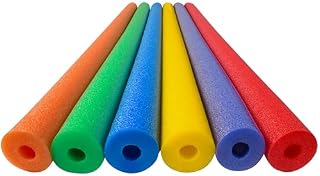
Provides a stable grab point for gentle stretches and balance work in waist-deep water.
Check your body before you dive in
Aquatic therapy works because the water supports your weight. This reduces the load on your spine and joints. It allows you to move in ways that are difficult on land without aggravating your condition. If that sounds like your bench, read up on water exercises for lower back pain next.
However, it is not safe for everyone. You need medical clearance before starting. A healthcare provider can assess your specific condition to ensure the water environment is suitable for your needs.
Understand the three main physical factors at work: buoyancy, resistance, and thermal effects. Buoyancy reduces body weight, resistance helps build muscle, and warm water soothes pain.
- Ask a doctor: Get approval if you have an open wound, infection, heart issues, or uncontrolled chronic conditions.
- Check the water: Ensure the pool is clean and at a comfortable temperature, usually around 85-90 degrees Fahrenheit.
- Bring a partner: It is safer to have someone nearby who can assist if you feel dizzy or unsteady.
- Hear the water: Listen for echoes or sounds that might indicate you are holding your breath too long.
Always listen to your body. Discomfort that is sharp or sudden should stop the exercise immediately.
Warm-up: Wake up your muscles gently
Water is a medium that provides immediate resistance. You must move slowly at the start to prevent muscle tightness. A proper warm-up prepares your cardiovascular system for the work ahead.
Begin by walking on the pool bottom for five minutes. Keep your heart rate low. This simple activity increases blood flow to your muscles and joints without high impact.
Use a warm-up to increase blood flow and reduce stiffness. The water’s hydrostatic pressure helps circulation, so the transition should feel easy. Incorporate gentle arm circles and head rotations. Loaders in this spot often ask about first aid for back pain as well.
As you warm up, you will feel a slight burning sensation in the muscles. This is normal. If you feel sharp pain, stop and rest. The goal is to wake up the body, not exhaust it.
Pro tip: Walk forward and backward to engage different muscle groups. Keep your posture upright and avoid slouching.
Core and Glute Strengthening
Strong core and glute muscles support the spine. The water provides natural resistance as you move. This makes strength training more efficient because every motion meets water pressure.
Stand in water that reaches your chest. Hold onto the pool wall or a noodle for balance. Keep your core engaged throughout the movement.
- Aquatic Squat: Keep your feet flat. Bend your knees slowly. Lower yourself to a comfortable depth. Keep your chest up. Do 3 sets of 10 reps.
- Lateral Leg Lift: Stand on one leg. Lift the other leg to the side. Keep your hips square. Do 10 reps per side. Keep the movement slow to feel the resistance.
- Knee-to-Elbow Walk: March in place, bringing your right knee to your left elbow. Alternate sides. This challenges your core stability in the water.
These moves target the muscles that stabilize your lower back. Consistency is key to seeing improvements in strength and posture.
If the water resistance feels too hard, slow down your pace. If it feels too easy, increase your speed slightly. The water adjusts the difficulty for you. For the detail, see our notes on posture exercises for upper back and neck.
A swim belt helps you float if you lose your footing, making these strength moves safer for beginners.
- The swim belt provides you with buoyancy and keeps you afloat in the water. It is
- The flotation belt is made of high-quality diving fabric, which is not only softer and
Flexibility and Range of Motion
Flexibility exercises release tension in the hips and lower back. The buoyancy allows for a greater range of motion than on land. You can stretch deeper without the fear of falling.
Move slowly and into the position that feels safe. The water supports your body weight, reducing strain on the joints. Never hold your breath during these stretches.
- Aquatic Bridge: Lie on your back in shallow water. Bend your knees. Press your feet against the pool wall. Lift your hips gently. Hold for 5 seconds. Do 8-10 reps.
- Standing Hamstring Stretch: Stand in water. Place one foot on the edge. Keep your back leg straight. Lean forward slightly. Hold for 15 seconds. Let the water support you.
- Aquatic Child’s Pose: Sit on the pool bottom. Bend your knees. Walk your hands forward. Reach overhead. This stretches the back without impact.
Flexibility work helps maintain the spinal curves that support a healthy back. It also improves overall mobility for daily tasks.
Hold each stretch for 15 to 30 seconds. Breathe deeply and evenly. If you feel a sharp pull, back off slightly. The goal is a gentle release.
Holding a pool noodle helps you maintain an upright posture and reach deeper into stretches safely.
- Extra Dense & Durable: Made with high-quality dense closed-cell structure foam that
- Great Value 6-Pack: Comes in 6 bright assorted colors (yellow, blue, Orange, green
How to use this PDF routine safely
Print or save this guide for your session. Use it as a checklist, not a rigid schedule. The water is your tool and your resistance.
Start with the warm-up, then pick two strength moves and two flexibility moves. Rest between exercises for 30 seconds. This prevents fatigue from compromising your form. Loaders in this spot often ask about constricted muscle fibers as well.
If an exercise causes pain, skip it. The goal is to improve movement, not to push through pain. Note down which exercises felt good for your next session.
Progression is key. Once you can easily do the standard sets, you can increase the reps or add slight speed. But always prioritize safety over intensity.
| Exercise | Reps/Time | What It Helps | Easier Version |
|---|---|---|---|
| Aquatic Squat | 3 sets of 10 | Strengthens glutes and quads | Use hands on pool wall |
| Lateral Leg Lift | 10 reps per side | Stabilizes the pelvis | Keep legs closer to body |
| Aquatic Bridge | 8-10 reps | Strengthens lower back | Lift hips lower |
| Aquatic Child’s Pose | 30 seconds hold | Relaxes lower back | Support upper body on noodle |
This table serves as your quick reference. Keep it nearby in the pool locker or on your phone.
Safety first: Avoid exercises that cause sharp or radiating pain. Stop the session if you feel dizzy or short of breath.
When to see a doctor
Aquatic therapy is a general information resource, not a diagnostic tool. It cannot replace professional medical care for complex back issues.
Consult a healthcare professional if your pain persists or worsens. A doctor can determine the underlying cause of your back pain and adjust your care plan accordingly. Loaders in this spot often ask about lower back pain as well.
- Pain that radiates down your leg (sciatica).
- Numbness, tingling, or weakness in the legs or feet.
- Loss of bladder or bowel control, which is a medical emergency.
- Back pain that follows a fall, accident, or injury.
These signs require prompt medical evaluation. Do not attempt to treat them with exercise alone. Your safety is the priority.
The bottom line
This PDF provides a safe, evidence-based routine for low back pain. Use the swim belt for stability and the pool noodle for balance. See a doctor if pain persists.
- The swim belt provides you with buoyancy and keeps you afloat in the water. It is
- The flotation belt is made of high-quality diving fabric, which is not only softer and
Frequently asked questions
Is water exercise safe for my low back?
Water exercise is generally safe and often recommended for back pain. The buoyancy reduces the load on the spine. However, you should consult your doctor before starting a new exercise program, especially if you have an underlying condition.
How deep should the water be?
The water should reach your chest or waist. This provides enough buoyancy to support your weight but allows you to touch the bottom. If you cannot stand easily, find a shallower area or use a floatation device.
What is the best water temperature?
Ideal water temperature is usually between 85 and 90 degrees Fahrenheit. This warmth helps relax muscles and reduce pain. Water that is too cold can cause muscle spasms.
Do I need special equipment?
Basic pool exercises do not require special equipment. However, using a swim belt or a pool noodle can improve safety and stability for beginners. These tools help you maintain balance while you perform the exercises.