
You are trying to simplify your morning routine by combining your moisturizer and sun protection, but you are worried about ruining the SPF. This page clarifies whether mixing is safe and how to layer them correctly for maximum protection.
In short: You can use body lotion and sunscreen together, but you should not physically mix them into one bottle. Lotion dilutes the sunscreen, reducing its protective strength. The best method is to apply lotion first, let it absorb, then layer a generous amount of sunscreen on top.
Our pick
Tap to see today's price on Amazon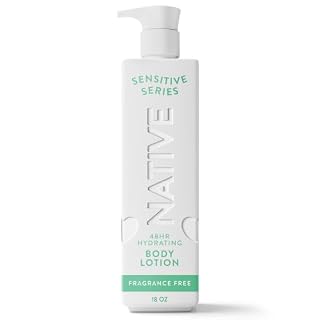
Developed by allergists, this lotion is less likely to cause irritation when layered under sunscreen.
Why Mixing Lotion and Sunscreen Can Weaken Protection
Many people pour liquid sunscreen into their favorite body lotion to create an “all-in-one” product. This is not recommended. Sunscreen is formulated with specific concentrations of active ingredients that require a precise ratio to work. Manufacturers test these ratios to ensure they reach the SPF printed on the label. It helps to understand using lotion daily before going further.
When you dilute sunscreen with lotion, you lower the concentration of those actives per ounce. The SPF rating on the bottle is calculated based on the undiluted product. Adding any other substance invalidates that claim. You no longer know if you have SPF 30, SPF 50, or perhaps just SPF 10.
There is also a stability issue. Sunscreen ingredients are designed to remain effective on the skin for a certain period. Mixing them with the emulsifiers and oils in a body lotion can change how the product sits on the skin.
It may break down faster or spread unevenly. This leads to patchy protection, which is dangerous because small gaps in coverage can burn quickly.
- Dilution risk: Mixing changes the chemical balance, potentially leaving you with less protection than you think.
- Testing gap: Mixed products have not been tested for safety or efficacy by regulators like the FDA.
- Application difficulty: It becomes hard to know if you have applied enough sunscreen, increasing the risk of sunburn.
Safety first: Do not mix liquid sunscreen into lotion bottles. The resulting product will not have the SPF printed on the label.
The Correct Order: Lotion First, Then Sunscreen
If you want the benefits of both hydration and protection, apply them in separate steps. Skin care experts advise applying water-based or lighter products before heavier, barrier-forming products. This ensures the lotion can reach the skin and the sunscreen can sit on top as a shield.
Apply your body lotion to damp skin immediately after a shower. The water helps lift the lotion into the skin, locking in moisture. Wait 5 to 10 minutes for the lotion to fully absorb. You will know it is ready when it no longer feels tacky or shiny and the skin feels smooth. Loaders in this spot often ask about our notes on for oily skin as well.
Once the lotion has set, apply your sunscreen. For broad areas like legs and arms, use a pump or tube. Creams and lotions are thick, so they are hard to spread evenly in one go. Use a quarter-sized amount for the face and neck, and about two tablespoons for each limb. It helps to understand most expensive lotion before going further.
- Cleanse and pat skin dry after your shower.
- Apply body lotion generously to dry or damp skin.
- Wait until the lotion feels dry to the touch.
- Apply sunscreen as the final layer on all exposed areas.
Pro tip: If the lotion has SPF in it, you still need to add regular sunscreen to reach SPF 30 or higher for daily use.
A gentle, sensitive-skin lotion is ideal for the first step, providing a smooth base without irritating the skin before sunscreen.
- 48-hour hydration for soft skin
- Developed by Allergists, Biologists, and Dermatologists for sensitive skin
Does It Matter If It Is Not Sunny Outside?
A common myth is that you only need sunscreen when the sky is clear and the temperature is high. UV rays penetrate clouds and even window glass. They can cause cumulative damage on overcast days, winter mornings, and while driving.
However, body lotion alone does not protect against UV rays. It is designed to moisturize, not to block ultraviolet light. If you are inside near large windows, on a cloudy walk, or just stepping outside for a moment, you still need dedicated sun protection.
Using body lotion and sunscreen together is a good habit regardless of the weather. It ensures your skin stays hydrated without sacrificing protection. Many people find that layering a thick cream under a light SPF works well on cold, dry days when the skin feels tight.
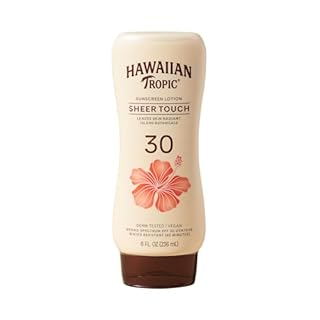
A reliable liquid sunscreen is the best tool for daily UV protection, whether it is sunny or cloudy.
- HAWAIIAN TROPIC SUNSCREEN LOTION SPF 30 with an Ultra Radiance SPF that leaves skin
- GREASY LOOK AND FEEL — contains vitamins C & E to nourish skin
Can You Use Sunscreen as a Body Lotion?
Some people skip body lotion to save time and use a thick, creamy sunscreen instead. This is risky for two main reasons. First, most sunscreens are not designed to moisturize deeply. They contain occlusives that sit on top of the skin, but they often lack the humectants needed to pull water into the layers below. There is more on using cleansers for brighter skin in a separate guide.
Second, you would need to apply a very thick layer of sunscreen to get enough SPF. This is expensive and often leads to a greasy, white cast that people try to wipe off. When you wipe off the excess, you also remove the necessary amount of protection, leaving you with too little.
It is better to keep the jobs separate. Use a dedicated lotion for hydration and a sunscreen for protection. This combination is more comfortable, cost-effective, and effective. If you prefer an all-in-one product, buy a brand that specifically markets itself as “moisturizing sunscreen” with SPF 30 or higher, rather than mixing your own.
Pro tip: If you prefer an all-in-one product, buy a brand that specifically markets itself as 'moisturizing sunscreen' with SPF 30 or higher.
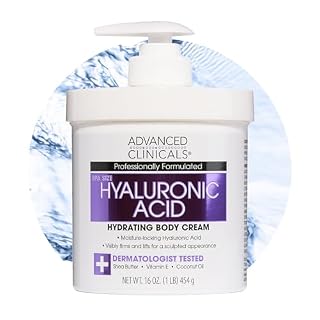
This hyaluronic acid cream provides deep hydration that standard sunscreens lack, fixing the dryness without replacing your SPF.
- HYALURONIC ACID CREAM HYDRATES & VISIBLY PLUMPS DRY SKIN – This body cream provides
- HYALURONIC ACID BODY LOTION WITH SQUALANE, ALGAE EXTRACT, & PANTHENOL (VITAMIN B5)
Common Mistakes When Layering Skin Products
Even when layering correctly, small errors can reduce protection. The most common mistake is applying too little sunscreen. Studies consistently show that most people use far less product than the amount tested in lab trials. This means the real-world SPF is often lower than the number on the bottle.
For your legs and arms, you need a generous, even coat. A thin layer of sunscreen provides minimal protection. Think of it like painting a wall; if you just skim on one coat of paint, you see the cracks and stains underneath. You need a thick, opaque layer to block the UV rays effectively.
- Skipping reapplication: Sunscreen wears off with sweat, water, and friction. Reapply every 2 hours if you are active outdoors or swimming.
- Forgetting body parts: Feet, ears, the back of the neck, and the scalp if you have thinning hair often get missed. These areas burn easily.
- Waiting too long: Apply sunscreen 15 minutes before sun exposure so it can form a proper layer on the skin. If you apply it and immediately go into the sun, you are not fully protected yet.
When to See a Doctor
Most skin issues from layering products are minor, like temporary irritation or dryness. However, watch for signs that something is wrong with your skin’s reaction to the products or the sun.
Contact a dermatologist if you notice a new rash, persistent redness, or blistering after using new products. You should also seek care if you see a change in a mole or a spot that does not heal within two to four weeks.
If you have a reaction to an ingredient in your lotion or sunscreen, stop using it immediately and clean the area gently with water and mild soap. A doctor can help identify the irritant and suggest safe alternatives. Do not try to “tough it out” with severe burning or swelling.
The bottom line
Do not mix the products in a jar. Layer them instead: lotion first, wait 5 minutes, then sunscreen. For sensitive skin, a gentle, allergist-formulated lotion like P2 creates a safe base that won't react with the sunscreen layer.
- 48-hour hydration for soft skin
- Developed by Allergists, Biologists, and Dermatologists for sensitive skin
Frequently asked questions
Can I use body butter with sunscreen together?
Yes, but the order matters. Apply the body butter first and let it absorb completely. Then apply the sunscreen on top. If you apply lotion after sunscreen, you will rub off the protective layer.
Is it safe to use sunscreen mixed with body lotion if it's not sunny outside?
It is safe to layer them, but do not mix them physically. UV rays reach you on cloudy days. Using lotion and sunscreen separately ensures you get hydration without compromising the sun protection level.
What happens if I mix body lotion and sunscreen in a bottle?
The SPF rating becomes unreliable. The lotion dilutes the active ingredients, meaning you likely have less protection than the label claims. You may burn faster than you expect. We cover apply body lotion in a guide of its own.