
You have a shelf full of lotions but still dry patches or clogged pores. This guide cuts through the noise to find the one formula that actually works for your specific skin needs.
In short: There is no single best body lotion; the right one depends on whether your skin is dry, oily, or sensitive. Generally, look for humectants like glycerin or hyaluronic acid to pull water in, and emollients like shea butter or ceramides to seal it. Match the texture to your needs: rich creams for dry skin, lightweight gels for oily skin, and fragrance-free options for sensitive skin.
Quick picks
Our shortlist for this job · tap one to see today's price
Prebiotic oats soothe and lock in moisture without fragrance or harsh additives.
Fast-absorbing formula hydrates without the greasy film that clogs pores.

Clinically proven ceramides mimic skin lipids to fix cracked, flaky areas.

Gel-cream texture with hyaluronic acid hydrates without feeling heavy or slick.

Raw shea butter creates a thick seal to prevent water loss overnight.
Best for Dry, Sensitive Skin: Aveeno Daily Moisturizing Body Lotion
Aveeno is a staple for a reason. This lotion uses prebiotic oat to calm itchy, dry skin without adding fragrance that triggers allergies. Oat is well-documented for its soothing properties, making it a strong choice for those who react easily to scents. It helps to understand how often people apply moisturizer before going further.
Why it stands out: It is fragrance-free and allergy-tested, making it one of the safest choices for reactive skin. The texture is medium-thick, providing a cushion that lasts for 48 hours, which is ideal for overnight use.
The drawback: The texture is slightly thicker than a gel. If you prefer a weightless finish or wear tight synthetic athletic wear, it might feel too rich or take longer to dry.
Who should skip: Those with very oily or acne-prone skin may find it too emollient. If you break out easily, start with a patch test on your inner arm.
It addresses the core needs of dry skin with soothing oat without the risk of fragrance irritation.
- Daily Moisturizing Body Lotion: Aveeno Moisturizer for normal to dry skin to moisturize
- Gentle lotion for everyone: Fragrance free and allergy tested body lotion for normal to
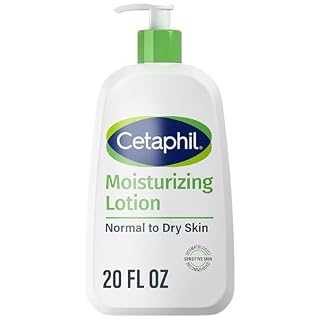
Best for Normal to Combination Skin: Cetaphil Moisturizing Face & Body Lotion
For most people with standard skin needs, Cetaphil hits the sweet spot between hydration and lightness. It absorbs quickly and leaves no residue, making it a versatile option that works for both face and body.
Why it stands out: It is non-greasy and fast-absorbing, which makes it ideal for daily use before work or exercise. The formula is designed to strengthen the skin’s moisture barrier over time, not just provide immediate relief.
The drawback: It may not be rich enough for extremely dry or cracked skin in winter. You might need to layer it with a heavier cream for your elbows or knees. If that sounds like your bench, read up on ranking formulas for parched, flaky skin next.
Who should skip: Those who need intense, heavy barrier repair might find it insufficient on its own. If your skin feels tight immediately after applying, this might not be heavy enough for you.
It provides a lightweight base layer that hydrates without disrupting the skin's natural balance.
- CETAPHIL FACE & BODY MOISTURIZING LOTION FOR ALL SKIN TYPES: Lightweight, fast
- INSTANTLY SOOTHES AND PROVIDES 48 HOUR HYDRATION: Immediately boosts skin hydration and
Best for Barrier Repair and Deep Dryness: COSRX 100-Hour Hydration Ceramide Body Cream
When your skin barrier is compromised and you see flaking or redness, you need more than just water. This cream focuses on ceramides, cholesterol, and fatty acids, which are the same lipids that naturally keep your skin strong.
Why it stands out: It is formulated with a dermatologist-inspired blend to reinforce the skin’s structural integrity. The claim of 100-hour hydration suggests deep penetration that lasts through multiple washing cycles.
The drawback: The cream texture is thick and should be applied to damp skin for best absorption. It may feel heavy if you apply it to dry, cold skin.
Who should skip: People with fungal issues or very oily skin should avoid heavy creams. If you are prone to clogged pores, use this only on your torso and legs, not your chest or back.
It targets the root cause of dryness by rebuilding the lipid barrier rather than just sitting on top.
- Delivers deep hydration that penetrates up to 12 layers of the skin’s surface
- Formulated with a dermatologist-inspired blend of ceramides, cholesterol, and fatty
Best for Oily, Acne-Prone Skin: Neutrogena Hydro Boost Body Lotion
If you worry that lotion will cause breakouts or make you feel greasy, a gel-cream is the way to go. Neutrogena’s Hyaluronic Acid formula is designed for this specific concern, offering hydration without the heaviness of traditional creams. We cover gentle moisturizers that actually work in a guide of its own.
Why it stands out: It is oil-free and paraben-free, delivering hydration through hyaluronic acid without heavy emulsifiers. This makes it a safe choice for those who struggle with body acne or folliculitis.
The drawback: It lacks the heavy emollients found in shea butter, so very dry, flaky areas like your shins may need a different product. It is best for daily maintenance rather than rescue.
Who should skip: Those with severely dry, eczema-prone skin need a richer formulation. If your skin feels tight and itchy, this light formula may not provide enough cushion.
It delivers the hydration needed to calm reactive oily skin without clogging pores with heavy oils.
- Moisturizer with Hyaluronic acid: Clinically proven to boost hydration and lock in
- Hydrating body lotion: Fast-absorbing gel-cream delivers deep hydration without
Best for Very Dry or Cracked Heels: Palmer's Shea Butter Formula
Sometimes a lotion isn’t enough. For localized dryness, such as cracked heels or elbows, a raw shea butter balm provides a physical shield that standard lotions cannot match. It is perfect for targeted application where the skin is most damaged.
Why it stands out: It melts into the skin to provide intense, long-lasting nourishment. The raw shea butter is highly emollient, softening even the toughest, thickest skin on your feet.
The drawback: It is very rich and can stain clothing or bedding if not fully absorbed. It also takes a few minutes to soak in, so apply it before you put on socks.
Who should skip: Use this only on problem areas, not all over the body, if you have oily skin. Applying it to your entire body may leave you feeling waxy and heavy.
It acts as a sealant to prevent water loss from the most damaged parts of the skin.
- The information below is per-pack only
- Raw Shea Solid Body Butter Balm: Sustainably sourced raw, natural Shea Butter Body Balm
How to Choose and Layer Body Lotion
Choosing the right lotion is about matching the texture to your skin type and the time of day. You do not need to buy five different products; you need one base that works for 80% of your body, and perhaps one targeted treatment for dry patches.
- Dry skin: Look for creams with shea butter, ceramides, or glycerin. These ingredients draw water in and seal it under the surface.
- Oily skin: Choose gel-creams with hyaluronic acid and no heavy oils. Avoid products labeled “rich” or “nourishing” if you get greasy easily.
- Sensitive skin: Stick to fragrance-free and hypoallergenic labels. Fragrance is the most common cause of contact dermatitis.
Layering matters, especially with sunscreen. Apply lotion first, let it absorb for 5-10 minutes, and then apply sunscreen. Sunscreen goes on top to ensure the filters sit correctly on the skin’s surface. If you apply sunscreen over wet lotion, the SPF may not sit correctly on the skin and can rub off.
Pro tip: Apply lotion to damp skin, not dry skin. This helps lock in the water from your shower, doubling the hydration effect.
Comparison: Which Lotion Fits Your Routine?
Use this table to quickly match your skin needs to the right product. Each option serves a different purpose, so think about your primary goal: soothing, hydrating, or repairing.
| Product | Best For | Key Strength | Main Drawback |
|---|---|---|---|
| Aveeno Daily | Dry/Sensitive | Soothing oats | Thicker texture |
| Cetaphil | Normal/Combo | Fast-absorbing | Not for severe dryness |
| COSRX | Barrier Repair | Ceramides | Rich cream feel |
| Neutrogena | Oily/Acne | Oil-free gel | Lacks heavy moisture |
| Palmer’s | Cracked Heels | Raw Shea | Too rich for full body |
When to See a Doctor
Body lotion is a supportive care product, not a treatment for medical conditions. While mild dryness is common, persistent symptoms can indicate a larger issue that requires professional care. The other half of this decision is best body lotion for winter.
See a dermatologist or primary care doctor if:
- Your skin does not improve after two weeks of consistent use.
- You notice spreading redness, swelling, or signs of infection (pus, warmth).
- Your eczema or psoriasis flares up significantly or becomes painful.
- You develop open sores or cracks that do not heal with moisturizing.
If you have a known skin condition, always consult your healthcare provider before starting new products, especially those with active ingredients like retinoids or acids.
The bottom line
For most people, a fragrance-free, lightweight lotion like Cetaphil or a soothing oat-based one like Aveeno is the safe starting point. If your skin is very dry, add a ceramide cream like COSRX. The next step is applying your chosen lotion to damp skin every day after your shower.
- Daily Moisturizing Body Lotion: Aveeno Moisturizer for normal to dry skin to moisturize
- Gentle lotion for everyone: Fragrance free and allergy tested body lotion for normal to
Frequently asked questions
Can I wear body lotion and sun cream at the same time?
Yes, but layer them correctly. Apply body lotion first and let it absorb for about 5 to 10 minutes. Then apply sunscreen on top. If you apply sunscreen over wet lotion, the SPF may not sit correctly on the skin and can rub off.
How much body lotion does one person use per month?
This varies by body size and frequency, but a standard 8-ounce bottle is typically enough for 3 to 4 weeks of daily use for one person. If you only shower and moisturize twice a day, you will go through a bottle faster.
Is body oil or body lotion better?
Lotion is generally better for daily maintenance because it contains water and humectants. Oils are better for sealing in moisture if you have very dry skin or if you are showering in hot, dry climates. Many people use a light lotion followed by a few drops of oil on extra-dry areas.
When is the best time to apply body lotion?
The best time is immediately after you shower or bathe, while your skin is still damp. This helps trap the water in your skin’s outer layer, maximizing hydration. Applying lotion to completely dry skin is less effective because it cannot lock in moisture.